


Hi there! How can we help you today?
Renal Artery Angiography
What is renal artery stenosis? Symptoms, diagnosis, and treatment with angioplasty and stenting in Mashhad
What is renal artery stenosis? Symptoms, diagnosis, and treatment with angioplasty and stenting
Dr. Seyed Mohsen Jahromi Moghadam
Advanced Cardiology Fellowship | Interventional Cardiologist | Mashhad, Iran
Introduction
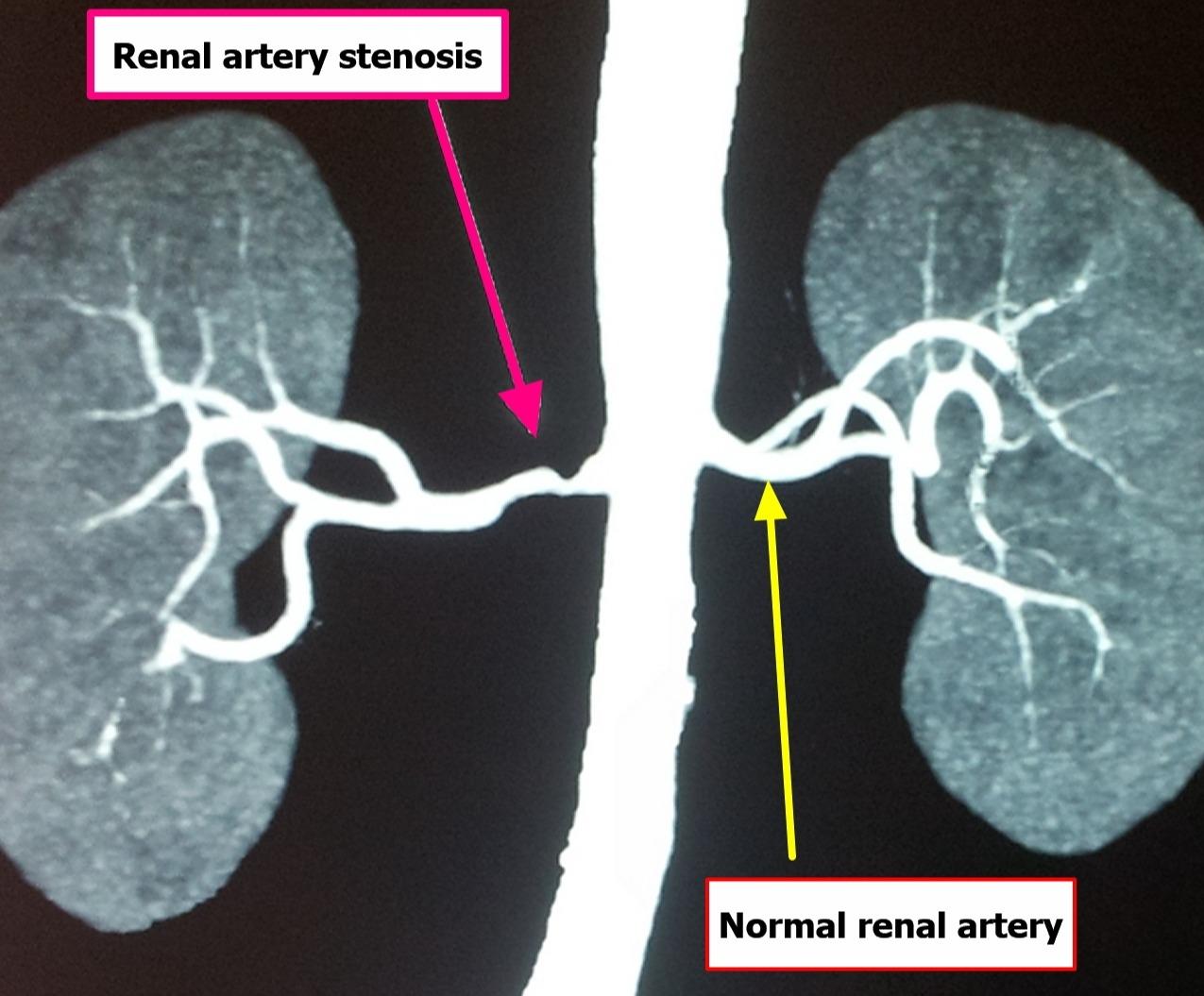
Renal artery stenosis is an important vascular disease in which blood flow to the kidneys is reduced because the renal artery becomes narrowed. This narrowing may cause high blood pressure, reduced kidney function, kidney failure, sudden pulmonary edema, and blood pressure that becomes resistant to medication.
Because the kidneys play a key role in regulating blood pressure and fluid balance, reduced renal blood flow can activate hormonal systems and lead to a significant rise in blood pressure. Timely diagnosis is important because in selected patients, appropriate treatment, including renal artery angioplasty and stenting, can help improve blood pressure control and preserve kidney function.
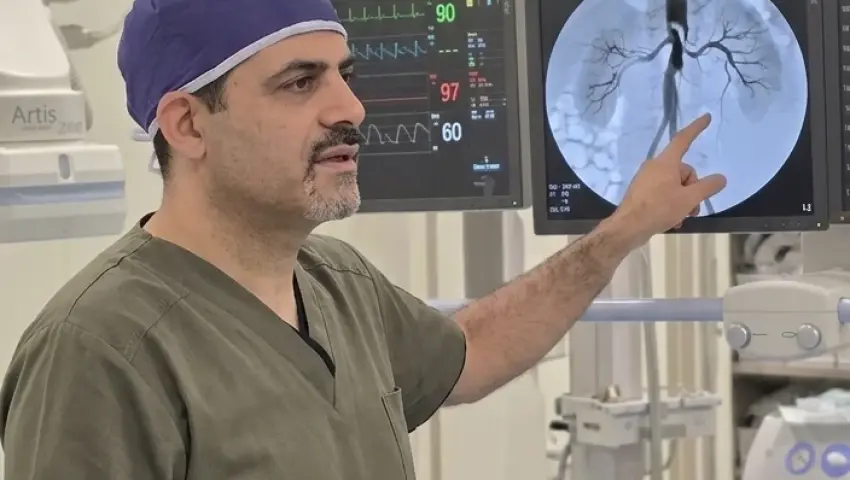
Dr. Seyed Mohsen Jahromi Moghadam explains renal artery stenosis and its relationship with high blood pressure
What is renal artery stenosis?
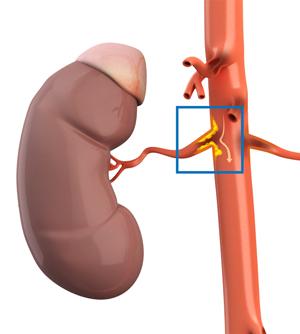
The renal arteries are the vessels that carry blood from the aorta to the kidneys. When these vessels become narrowed for different reasons, kidney blood flow decreases. As a result, the kidney mistakenly interprets the situation as low blood pressure and releases substances that raise blood pressure.
This condition is called renal artery stenosis.
Main causes of renal artery stenosis
Renal artery stenosis usually develops for two main reasons:
1. Atherosclerosis
The most common cause of renal artery stenosis is the buildup of fat, calcium, and atherosclerotic plaques in the vessel wall. This is more common in middle-aged and older adults and is often associated with other cardiovascular diseases.
Risk factors include:
High blood pressure
Diabetes
High blood cholesterol
Smoking
Obesity
History of coronary artery disease
History of stroke or peripheral artery disease
Older age
Family history of cardiovascular disease
2. Fibromuscular dysplasia
This cause is seen more often in younger people, especially women. In this disease, abnormal growth occurs in the wall of the renal artery and creates multiple narrowings. Unlike atherosclerosis, it is usually not directly related to cholesterol levels or smoking.
How is renal artery stenosis detected?
Renal artery stenosis may have no clear symptoms in many patients and may present only with high blood pressure or impaired kidney function. A physician suspects this disease when certain clinical signs or findings are present.
Signs and symptoms that suggest renal artery stenosis
The following findings can raise suspicion for renal artery stenosis:
High blood pressure that is difficult to control
Treatment-resistant hypertension, meaning blood pressure remains uncontrolled despite several medications
Sudden onset of high blood pressure at a young age or after age 55
Sudden worsening of blood pressure in a patient who was previously well controlled
Rise in blood creatinine after starting certain blood pressure medications, especially ACE inhibitors or ARBs
One kidney becoming smaller than the other
Decline in kidney function without a clear cause
Sudden and recurrent pulmonary edema
An abnormal abdominal bruit on examination with a stethoscope
History of coronary, leg, or brain artery disease
High blood pressure associated with low blood potassium
How does renal artery stenosis affect blood pressure?
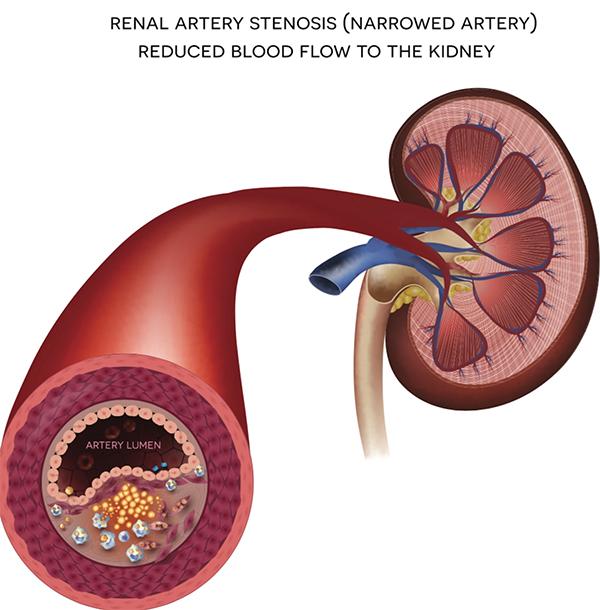
The kidneys are among the most important organs for blood pressure regulation. When blood flow to the kidney decreases, the kidney mistakenly interprets this as low blood pressure. In response, a hormonal system called the renin-angiotensin-aldosterone system becomes activated.
This system causes several important effects:
Narrowing of blood vessels throughout the body
Increased retention of salt and water
Increased blood volume
Higher blood pressure
As a result, the patient may develop hypertension that is resistant to treatment. Sometimes blood pressure remains high even with several types of antihypertensive medications.
What is resistant hypertension?
Resistant hypertension means that blood pressure remains uncontrolled despite the use of at least three appropriate medications, including a diuretic. In this situation, evaluation for secondary causes of hypertension, including renal artery stenosis, is very important.
Who is more likely to develop renal artery stenosis?
Some people are at higher risk for this disease, including:
People with high blood pressure
Patients with diabetes
People with high cholesterol
Smokers
Patients with a history of heart attack or coronary artery blockage
Patients with leg artery disease
People with chronic kidney disease
People older than 55
Young women with fibromuscular dysplasia
People with a family history of vascular disease
Methods for diagnosing renal artery stenosis
Diagnosis is based on the medical history, physical examination, blood tests, and imaging studies. The best diagnostic method depends on the patient's condition, kidney function, clinical suspicion, and available facilities.
1. Blood and urine tests
Laboratory tests do not prove renal artery stenosis by themselves, but they provide important information about kidney function and the patient's general condition.
Common tests include:
Blood creatinine
Blood urea
Estimated kidney function, or eGFR
Blood potassium
Urinalysis
Urine protein assessment
Blood lipids
Blood glucose
Increased creatinine, reduced eGFR, or sudden decline in kidney function may indicate the need for more detailed evaluation.
2. Renal artery Doppler ultrasound
Renal Doppler ultrasound is a noninvasive method for assessing blood flow in the renal arteries. In this test, the velocity of blood flow inside the artery is measured. Abnormally increased flow velocity can suggest stenosis.
Advantages of renal Doppler
It is noninvasive
It does not require contrast injection
It is suitable for many kidney patients
It can also show kidney size
Limitations
It depends on operator skill
Image quality may be reduced in obese patients or when there is excessive bowel gas
Sometimes it is not enough for final decision-making
3. CT angiography of the renal arteries
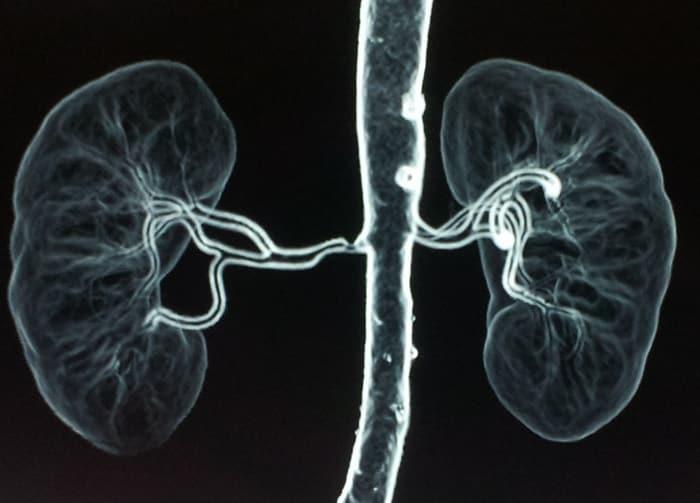
CTA, or CT angiography, is an accurate method for evaluating the renal arteries. After contrast injection and CT scanning, detailed images of the kidney vessels are obtained.
Advantages
High accuracy
Good visualization of the location and severity of stenosis
Simultaneous assessment of the aorta and other abdominal vessels
Limitations
It requires iodinated contrast
It should be used cautiously in patients with kidney failure
It involves a small amount of radiation
4. MR angiography of the renal arteries
MRA, or MR angiography, is another method for evaluating the renal arteries. It is performed without X-rays and in some cases with MRI contrast.
Advantages
No radiation
Good vascular imaging
A possible option in selected patients
Limitations
It may be limited in patients with some implanted devices such as certain pacemakers
MRI contrast should be used cautiously in severe kidney failure
In some cases it is less accurate than direct angiography
5. Renal artery angiography
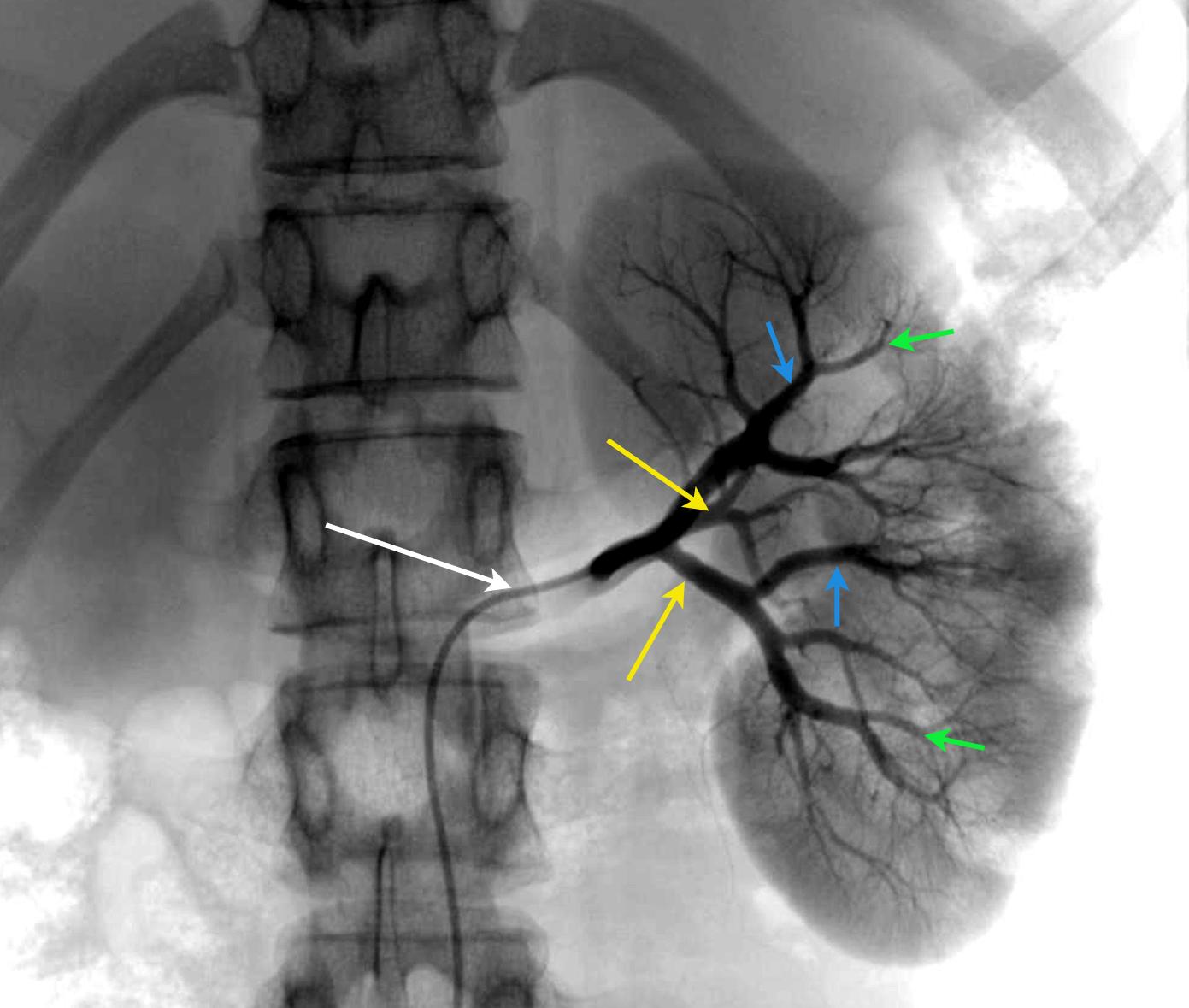
Renal artery angiography is considered the most accurate method for diagnosing renal artery stenosis. A thin catheter is introduced through a blood vessel, usually from the groin and sometimes from the wrist, and guided toward the renal artery. Contrast is then injected and direct images of the renal artery are obtained.
In addition to diagnosis, angiography has the advantage that if a treatable stenosis is found, the physician can perform treatment such as renal artery angioplasty and stenting during the same session.
What is renal artery angioplasty?
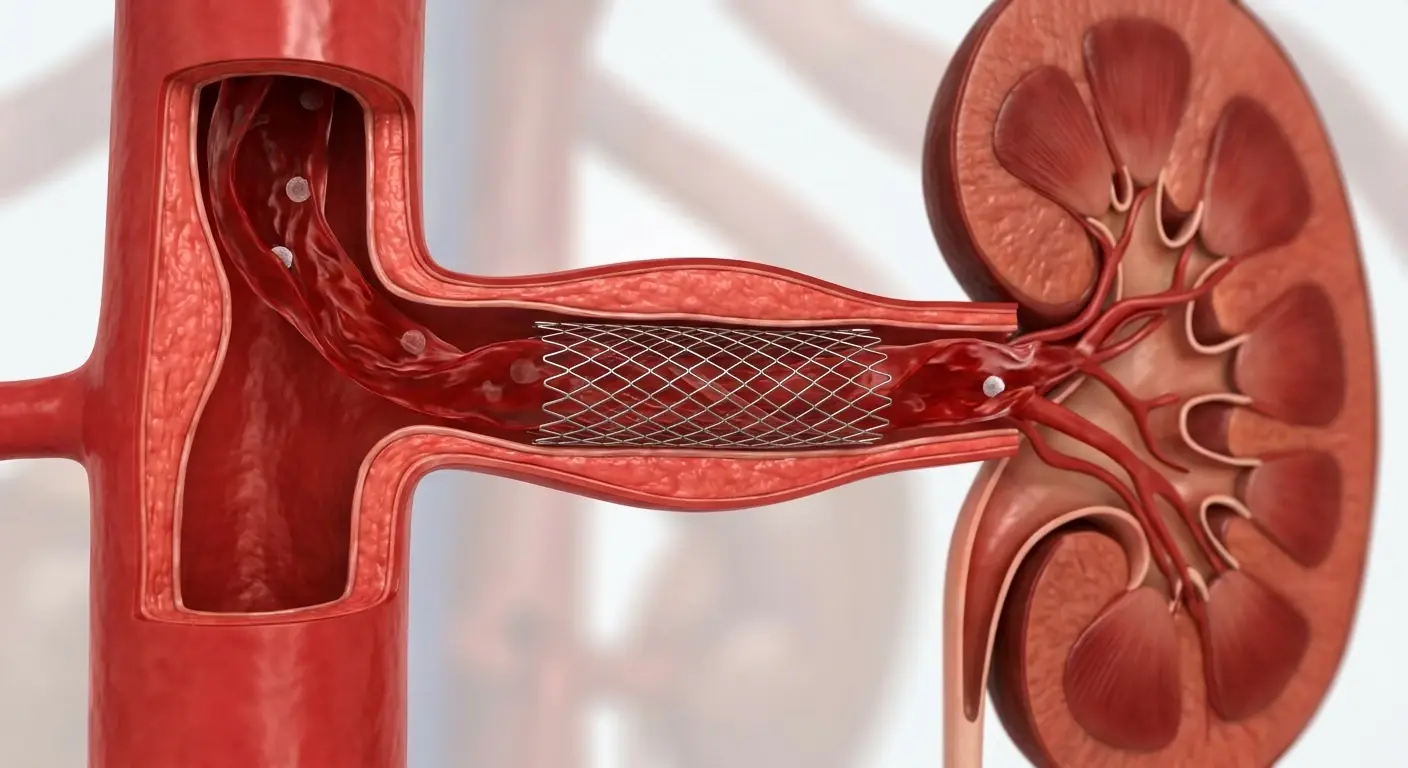
Renal artery angioplasty is a minimally invasive procedure used to open a narrowed renal artery. In this method, the interventional cardiologist uses a catheter, balloon, and, when needed, a stent to open the vessel and improve blood flow to the kidney.
General steps of renal artery angioplasty
Treatment is usually performed as follows:
The patient is placed in the angiography suite.
The catheter entry site, usually the groin or wrist, is disinfected and numbed.
A thin tube called a catheter is inserted into the vessel.
The catheter is guided toward the renal artery.
Contrast is injected and the site of narrowing is identified.
A very thin wire is passed across the stenosis.
A balloon is inflated at the narrowed segment to widen the artery.
In many cases, a stent is placed inside the artery to keep it open.
At the end, blood flow is checked again.
Can renal artery stenosis be identified during angioplasty?
In fact, angiography is the precise diagnostic method for viewing renal artery stenosis, while angioplasty is the treatment method used to open the narrowing. In practice, however, both may be performed during one session.
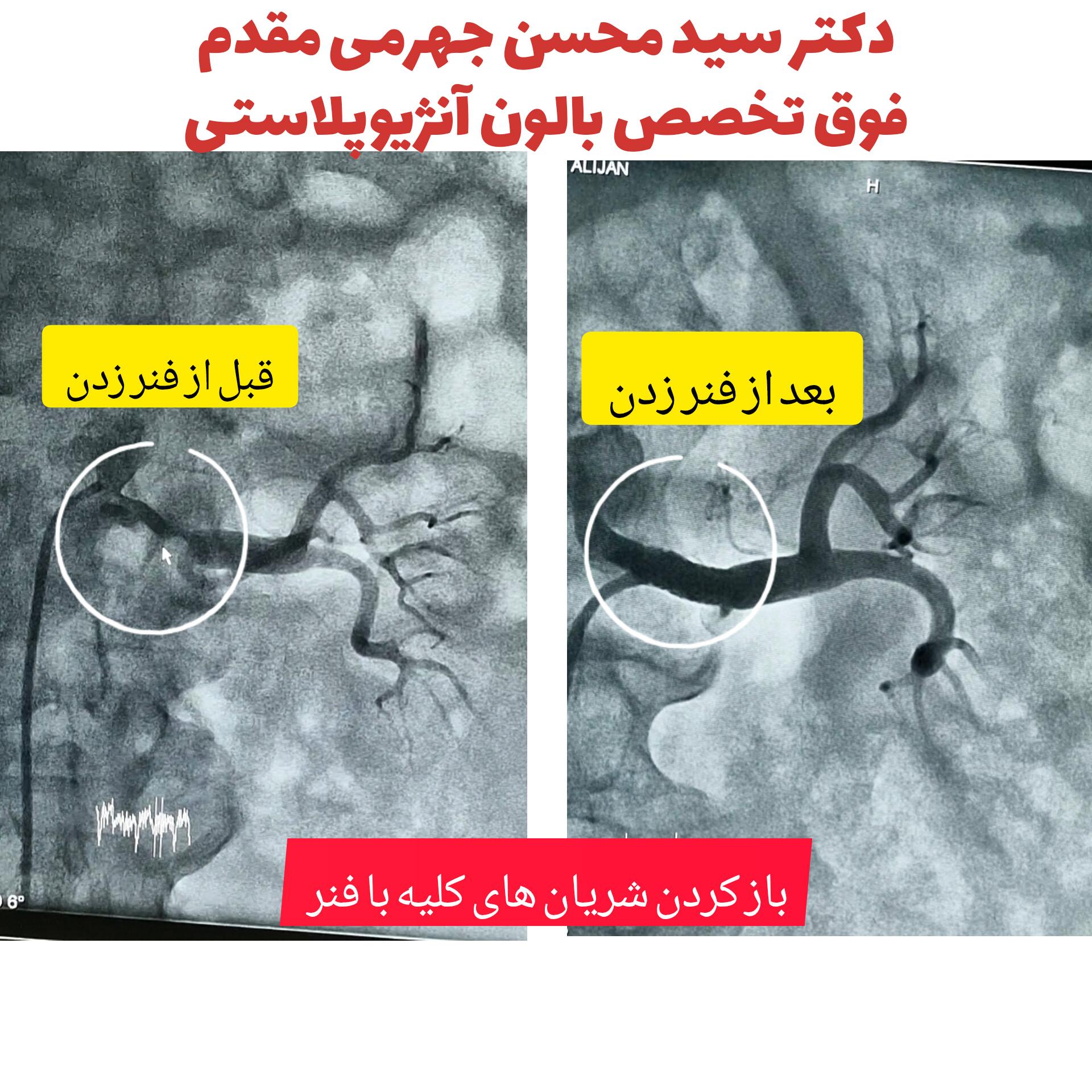
First, angiography determines the location and severity of stenosis. If the narrowing is medically significant and suitable for treatment, angioplasty and stent placement can be performed in the same session.
Which patients may need renal artery angioplasty?
Not every patient with renal artery stenosis needs angioplasty. Many patients are managed well with medication and control of risk factors. The decision depends on the patient's condition, the severity of stenosis, kidney function, and the effect of the stenosis on blood pressure or symptoms.
Interventional treatment may be considered more strongly in the following situations:
Treatment-resistant hypertension
Progressive decline in kidney function due to renal artery stenosis
Severe bilateral renal artery stenosis
Renal artery stenosis in a patient with a single functioning kidney
Sudden and recurrent pulmonary edema
Inability to tolerate blood pressure medications because of worsening kidney function
Fibromuscular dysplasia-related stenosis in appropriate patients
Treatment of renal artery stenosis
Treatment depends on disease severity, the cause of stenosis, age, kidney function, blood pressure status, and associated diseases. In general, treatment has three main parts:
Medical treatment
Lifestyle modification
Interventional treatment with angioplasty and stenting
1. Medical treatment
For many patients, medical treatment is the main foundation of disease control. Medications can control blood pressure, slow atherosclerosis, and reduce the risk of heart attack and stroke.
Possible medications include:
Blood pressure medications
Cholesterol-lowering medications such as statins
Antiplatelet medications such as aspirin when indicated
Diabetes medications in diabetic patients
Diuretics in selected patients
ACE inhibitors and ARBs may be very useful in some patients, but in severe bilateral stenosis or stenosis in a solitary kidney they must be used carefully with monitoring of creatinine and potassium.
2. Lifestyle modification
Lifestyle changes play an important role in controlling blood pressure and slowing vascular disease progression.
Important recommendations include:
Complete smoking cessation
Weight control
Reducing salt intake
A healthy low-fat diet
Regular physical activity under medical guidance
Diabetes control
Cholesterol control
Avoiding self-medication with anti-inflammatory drugs such as ibuprofen and diclofenac
Regular home blood pressure monitoring
3. Renal artery angioplasty and stenting
In appropriately selected patients, interventional treatment can be effective. The renal artery narrowing is opened with a balloon and, in many cases, a stent is placed to keep the vessel open.
Potential benefits of angioplasty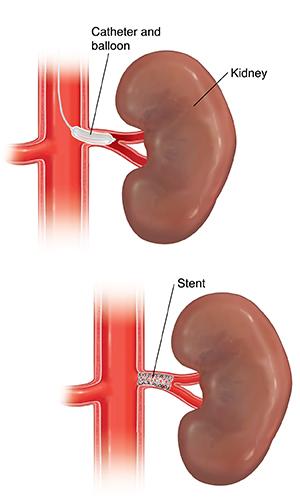
Improved blood pressure control in selected patients
Reduction in the number or dose of blood pressure medications in some patients
Preservation or improvement of kidney function in selected cases
Reduced risk of sudden pulmonary edema in susceptible patients
More effective treatment in some cases of fibromuscular dysplasia
However, treatment results are not the same in all patients, and correct patient selection is extremely important.
Does blood pressure become completely normal after renal artery stenting?
In some patients, blood pressure improves significantly after angioplasty and stenting. But in many patients, blood pressure does not become completely normal. Many still need medication, although blood pressure may become easier to control or the number of medications may decrease.
Treatment success depends on several factors, including:
Duration of hypertension
Severity of stenosis
Cause of stenosis
Kidney status
Underlying diseases such as diabetes
Degree of previous kidney damage
Patient age
Quality of risk factor control
Possible risks of renal artery angioplasty
Renal artery angioplasty is a minimally invasive and generally safe procedure, but like any medical intervention it may have possible complications.
Possible complications include:
Bleeding or bruising at the catheter entry site
Allergy to contrast material
Vessel injury
Clot formation
Temporary worsening of kidney function due to contrast
Plaque displacement or embolization
Future restenosis inside the stent
Rare need for additional treatment
To reduce these risks, careful pre-procedure assessment, proper patient selection, correct technique, and post-procedure care are essential.
Care after renal artery angioplasty and stenting
After angioplasty, the patient is usually monitored for several hours. In some cases, a short hospital stay may be needed.
Important care points include:
Taking prescribed medications regularly
Monitoring blood pressure at home
Checking creatinine and kidney function
Drinking fluids as instructed by the physician
Avoiding heavy activity until advised
Caring for the catheter entry site
Seeking urgent care for severe pain, bleeding, swelling, or coldness of the leg
Periodic follow-up with the physician
Doppler ultrasound at scheduled times if needed
Difference between renal artery stenosis and chronic kidney disease
Renal artery stenosis is one possible cause of reduced kidney function, but not all patients with chronic kidney disease have renal artery stenosis. Chronic kidney disease may be caused by diabetes, long-standing hypertension, inflammatory kidney diseases, hereditary disorders, and other factors.
For this reason, accurate diagnosis of the cause of impaired kidney function is very important, and renal artery stenosis should not be diagnosed solely on the basis of high blood pressure or elevated creatinine.
When should you see an interventional cardiologist?
If a patient has resistant hypertension, impaired kidney function, or suspected renal artery stenosis, specialist evaluation is necessary. An interventional cardiologist can choose the appropriate diagnostic method based on the patient's condition and, if needed, perform interventional treatment such as angioplasty and stenting.
The following situations should be taken seriously:
High blood pressure despite several medications
Sudden increase in blood pressure
Rise in creatinine after starting blood pressure medications
Sudden pulmonary edema
Difference in size between the two kidneys
History of narrowed arteries in the heart, legs, or brain
Severe hypertension at a young age
Renal artery stenosis in Mashhad
Patients with resistant hypertension or suspected renal artery stenosis in Mashhad can see an interventional cardiologist for specialized cardiovascular evaluation, renal artery assessment, diagnostic testing, and interventional treatment when necessary.
Dr. Seyed Mohsen Jahromi Moghadam, Advanced Cardiology Fellow and interventional cardiologist, provides specialized evaluation for patients with vascular disease, resistant hypertension, and renal artery stenosis in reputable medical centers in Mashhad.
Frequently asked questions about renal artery stenosis
1. Is renal artery stenosis dangerous?
Yes. If severe and not properly treated, it can cause resistant hypertension, reduced kidney function, kidney failure, and heart problems. However, not every stenosis is dangerous, and severity must be evaluated by a physician.
2. Does renal artery stenosis always cause symptoms?
No. Many patients have no obvious symptoms, and the disease is detected during evaluation of high blood pressure or kidney dysfunction.
3. What is the most important sign of renal artery stenosis?
One of the most important signs is high blood pressure that is resistant to treatment. Declining kidney function or sudden pulmonary edema can also be important signs.
4. Can ultrasound diagnose renal artery stenosis?
Doppler ultrasound can help diagnosis, but its accuracy depends on patient factors and operator skill. In some cases, CT angiography, MR angiography, or direct angiography is needed.
5. What is the most accurate diagnostic test?
Direct renal artery angiography is the most accurate diagnostic method and, when needed, allows simultaneous treatment with angioplasty and stenting.
6. Does every renal artery stenosis need a stent?
No. Many patients are treated with medication and risk factor control. Stenting is considered for selected patients based on stenosis severity, symptoms, blood pressure, and kidney function.
7. Does renal artery stenting cure blood pressure permanently?
In some patients, blood pressure improves significantly, but complete discontinuation of medications cannot be guaranteed. The main goal is better blood pressure control and protection of the kidneys and heart.
8. Is renal artery angioplasty painful?
The procedure is usually performed under local anesthesia and is not very painful. The patient may feel some pressure or discomfort at the catheter entry site.
9. How long is hospitalization after angioplasty?
Depending on the patient's condition, a short stay is usually needed. Some patients are discharged the same day or the next day.
10. Can renal artery stenosis recur?
Yes. Restenosis can occur, especially if risk factors such as smoking, high cholesterol, diabetes, and hypertension are not controlled. Regular follow-up after treatment is very important.
11. Is salt intake important in renal artery stenosis?
Yes. Excessive salt intake can worsen blood pressure. Reducing salt intake is an important recommendation for blood pressure control.
12. Can kidney patients undergo CT angiography?
In patients with reduced kidney function, CT angiography should be performed cautiously and according to the physician's decision because contrast material may affect the kidneys.
13. Does renal artery stenosis cause flank pain?
Renal artery stenosis is usually not associated with flank pain. If flank pain is present, other causes such as kidney stones, infection, or muscle problems should be evaluated.
14. Can young people develop renal artery stenosis?
Yes. Although atherosclerotic stenosis is more common in older adults, a type called fibromuscular dysplasia can occur in younger people, especially women.
15. Can renal artery stenosis cause kidney failure?
In severe cases, especially bilateral stenosis or stenosis in a patient with one functioning kidney, kidney function may decline and kidney failure may develop.
Summary
Renal artery stenosis is an important cause of resistant hypertension and kidney dysfunction. It is often caused by fatty plaque buildup and atherosclerosis, and in some younger patients it may be due to fibromuscular dysplasia.
Diagnosis is performed with methods such as Doppler ultrasound, CT angiography, MR angiography, and direct angiography. Treatment depends on the patient's condition and may include medication, lifestyle modification, and in selected cases angioplasty and stenting.
If your blood pressure is not controlled with several medications, your kidney function has declined, or your physician suspects renal artery stenosis, evaluation by an interventional cardiologist is important.