


Hi there! How can we help you today?
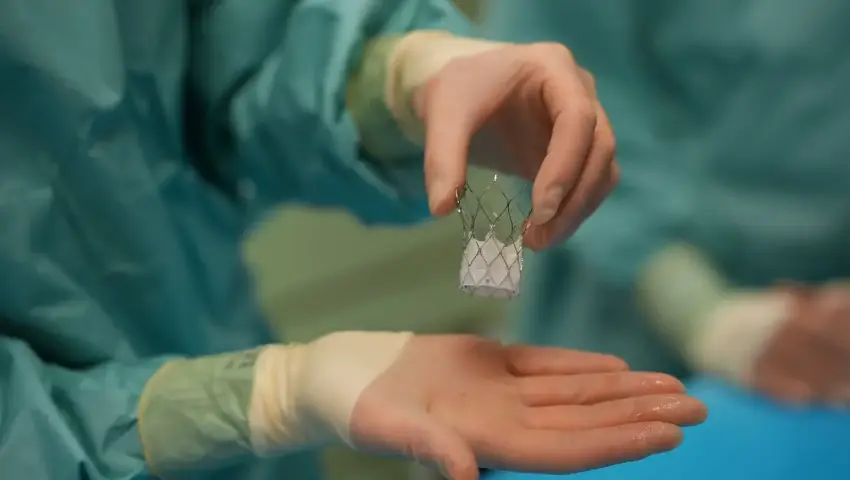
Treatment of Severe Aortic Valve Stenosis Without Open-Heart Surgery (TAVI)
Aortic valve disease and modern treatment with TAVI; a comprehensive guide for patients
What is the aortic valve? Symptoms, diseases, and the best treatment options | TAVI by Dr. Seyed Mohsen Jahromi Moghadam
The aortic valve is one of the most important heart valves. Learn about the symptoms of aortic valve stenosis and regurgitation, diagnostic and treatment methods, surgery, and TAVI by Dr. Seyed Mohsen Jahromi Moghadam.
What is the aortic valve and why is it important?
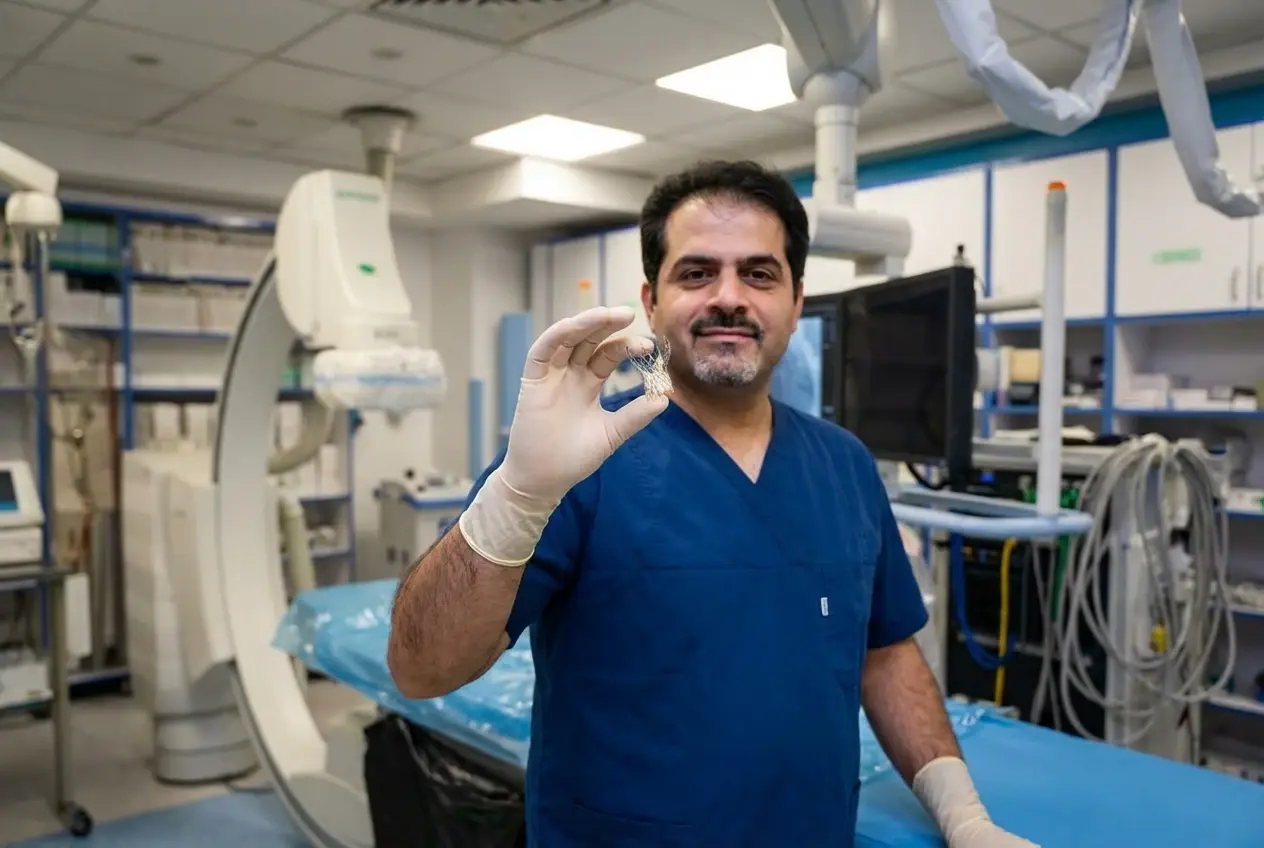
Explanation by Dr. Seyed Mohsen Jahromi Moghadam
TAVI performed by Dr. Seyed Mohsen Jahromi Moghadam, Advanced Interventional Fellow
The heart, the body's most important pump, delivers oxygen-rich blood to organs and tissues and sends returning blood to the lungs for oxygenation. This vital cycle is performed by the four heart chambers and four main valves. Heart valves act like gatekeepers, allowing blood to move only in the correct one-way direction.
One of the most important valves is the aortic valve. It is located at the exit of blood from the left ventricle into the aorta. The aorta is the body's largest artery and carries oxygenated blood to all organs. If the aortic valve does not open and close properly, heart function and blood delivery are impaired and serious, even life-threatening, complications may occur.
On Dr. Seyed Mohsen Jahromi Moghadam's website, accurate, practical, and up-to-date information about aortic valve diseases and their treatment, especially TAVI or TAVR, is provided for patients and families.
Anatomy and function of the aortic valve
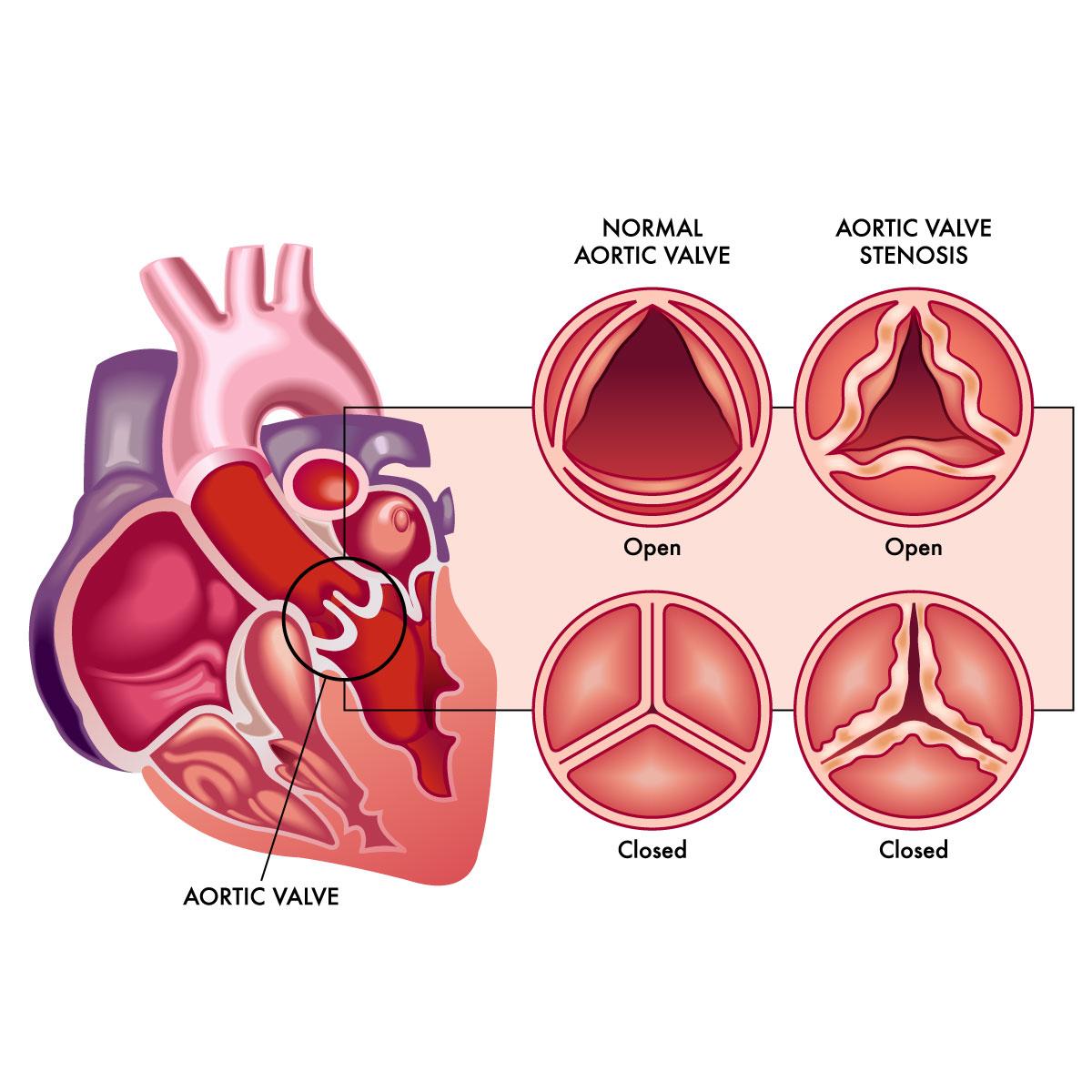
The aortic valve normally has three leaflets, or cusps. These leaflets are thin, flexible, and mobile, and they open and close with each heartbeat.
Normal function of the aortic valve
During left ventricular contraction (systole): the aortic valve opens so blood can be pumped from the left ventricle into the aorta.
During heart relaxation (diastole): the valve closes completely to prevent blood from leaking back into the left ventricle.
Proper valve function is essential for maintaining adequate blood pressure and sufficient blood flow to the brain, kidneys, liver, limbs, and other body tissues.
Aortic valve diseases
Aortic valve problems are usually divided into two main groups:
1. What is aortic valve stenosis?
Aortic valve stenosis occurs when the valve does not open completely. The valve opening becomes narrowed and blood has difficulty leaving the left ventricle and entering the aorta. The heart must pump harder, which can gradually lead to thickening of the heart muscle and eventually heart failure.
Causes of aortic stenosis
Calcium deposition and age-related degeneration
Congenital bicuspid aortic valve
Rheumatic fever
Certain metabolic or kidney diseases
Aortic stenosis is especially common in older adults and is one of the most important reasons patients see cardiologists for valve replacement.
2. What is aortic valve regurgitation?
Aortic valve regurgitation, or aortic valve leakage, occurs when the valve does not close completely. As a result, some blood leaks back from the aorta into the left ventricle after each heartbeat. This increases the heart's workload and, if persistent, can dilate and weaken the left ventricle.
Causes of aortic regurgitation
Dilation of the aortic root
High blood pressure
Congenital disease such as bicuspid valve
Rheumatic fever
Infective endocarditis
Connective tissue disorders such as Marfan syndrome
Trauma and chest injury
Some inflammatory and autoimmune diseases
Symptoms of aortic valve disease
Aortic valve disease may remain silent for a long time, but symptoms appear as the disease progresses.
Common symptoms include:
Shortness of breath, especially with activity
Chest pain or pressure
Dizziness or fainting (syncope)
Early fatigue and reduced exercise capacity
Palpitations
Swelling of the legs and ankles
General weakness
Difficulty lying flat
Weight gain caused by fluid retention
These symptoms, especially in middle-aged and older adults, should be taken seriously and require specialist cardiology evaluation.
Complications if aortic valve disease is not treated
If diagnosis and treatment are delayed, aortic valve disease may lead to important complications, including:
Heart failure
Arrhythmia or irregular heartbeat
Stroke
Severe reduction in exercise tolerance
Progressive heart muscle damage
Heart valve infection
Sudden cardiac death, especially in severe aortic stenosis
For this reason, accurate evaluation and timely treatment decisions are very important.
Diagnosis of aortic valve disease
Diagnosis is based on the medical history, physical examination, and imaging studies.
Main diagnostic methods
1. Cardiac examination and detection of a murmur
The physician may detect an abnormal heart sound or murmur with a stethoscope.
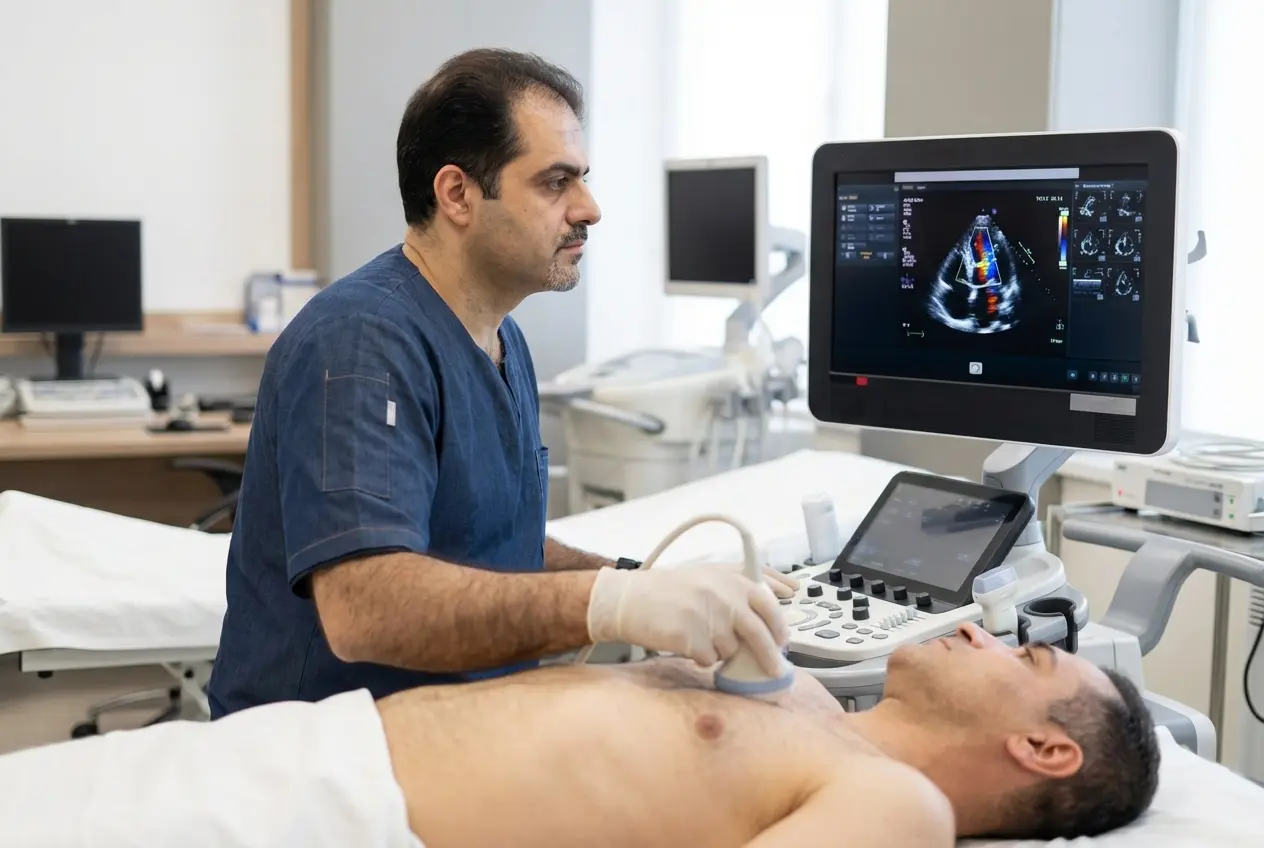
2. Echocardiography
This is the most important tool for diagnosing heart valve disease. Echocardiography provides detailed information about:
Severity of stenosis or regurgitation
Valve structure
Left ventricular function
Pulmonary pressure
Size of the heart chambers
It provides this information.
3. Transesophageal echocardiography (TEE)
In some patients, TEE is used to evaluate valve structure more precisely and plan treatment.
4. Electrocardiogram
Used to assess heart rhythm, heart muscle thickening, and electrical changes.
5. Chest X-ray
Used to evaluate heart size and lung status.
6. CT angiography of the heart and aorta
This test is very important before TAVI. It helps determine valve size, the best catheter access route, and vascular status.
7. Coronary angiography and cardiac catheterization
Used to evaluate the coronary arteries and measure pressures inside the heart.
8. Blood tests
Used to assess kidney and liver function, coagulation status, inflammation, and infection.
Treatment of aortic valve disease
The treatment choice depends on several factors:
Severity of stenosis or regurgitation
Patient symptoms
Age
General health status
Associated diseases
Specialist assessment by the Heart Team
1. Medical treatment
Medications usually do not correct the valve disease, but they can control symptoms. They may include:
Diuretics
Blood pressure medications
Medications to control heart rate
Anticoagulant or antiplatelet medications in selected cases
Medical treatment is mainly used to control symptoms, improve heart condition, and prepare the patient for definitive treatment.
2. Surgical aortic valve replacement (SAVR)
Open-heart surgery has long been the standard treatment for severe aortic stenosis or regurgitation. In this method, the damaged valve is removed and replaced with a prosthetic valve.
Types of replacement valves
Mechanical valve: highly durable but requires lifelong blood-thinning medication
Biological valve: usually does not require long-term warfarin, but has a more limited lifespan
Advantages and limitations of open surgery
Advantages:
Long-term results
Ability to treat other heart problems at the same time
Limitations:
Invasiveness
Need to open the chest
Longer recovery time
Higher risk in older patients or those with underlying disease
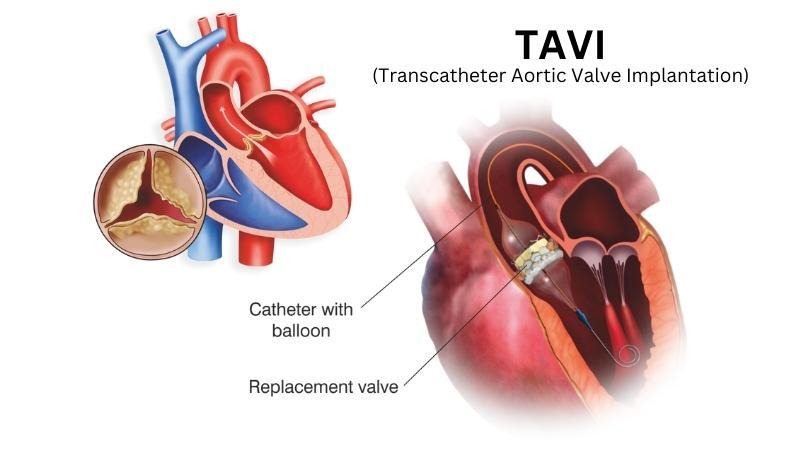
What is TAVI or TAVR?
TAVI, or Transcatheter Aortic Valve Implantation, also known as TAVR, is an advanced minimally invasive method for transcatheter aortic valve replacement.
In this procedure, without open surgery and without opening the chest, a new valve is delivered to the heart through the blood vessels and placed inside the patient's diseased aortic valve.
This method is especially valuable and effective for patients who:
Have severe aortic valve stenosis
Are older
Have high or intermediate risk for open-heart surgery
Have associated diseases such as lung, kidney, or vascular problems
It is very valuable and effective.
Advantages of TAVI compared with open-heart surgery
Aortic valve replacement with TAVI has important advantages:
No need to fully open the chest
Smaller incision and less invasiveness
Less pain after the procedure
Shorter hospital stay
Faster return to daily activities
Suitable for older and high-risk patients
In many cases no need for full general anesthesia
Less physiological stress on the body compared with open surgery
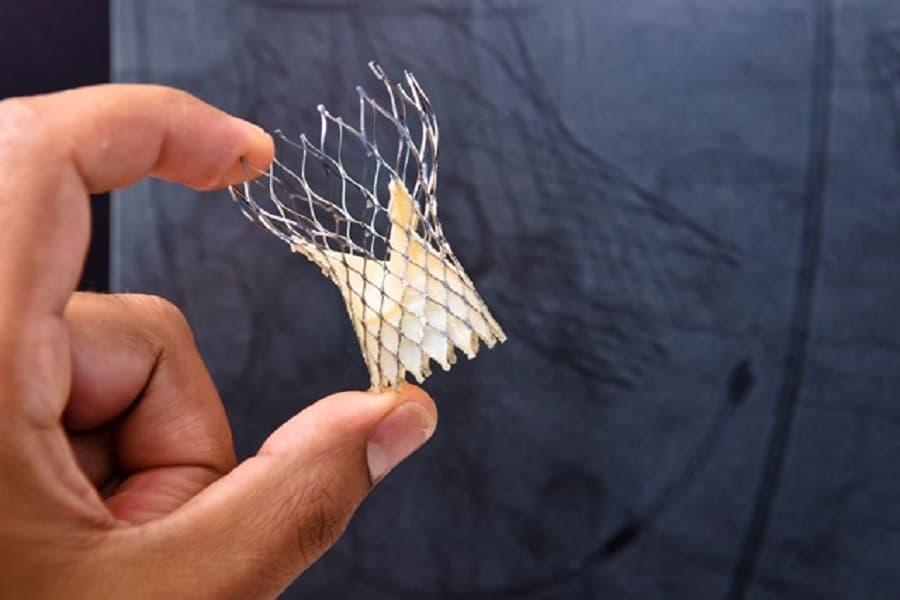
Which patients are suitable for TAVI?
The decision to perform TAVI is not based on age alone. Every patient should be evaluated by the Heart Team.
Patients who may be candidates for TAVI include:
Patients with severe aortic stenosis
Patients who have become symptomatic
Patients with high or intermediate surgical risk
Older adults
Patients with a history of lung disease, kidney disease, or vascular problems
Patients for whom open-heart surgery is difficult because of their physical condition
The final treatment choice is made after careful evaluation of the valve, heart structure, blood vessels, and general patient condition.
Steps of TAVI
1. Pre-procedure evaluation
Before TAVI, the patient undergoes a complete assessment:
Specialist examination
Echocardiography
CT angiography
Coronary angiography
Blood tests
Assessment of kidney function, lung function, and general status
2. Patient preparation
Fasting before the procedure
Adjustment or temporary discontinuation of some medications as advised by the physician
Preventive antibiotics if needed
3. Performing TAVI
In most cases, a catheter is introduced through the femoral artery in the groin. The new valve mounted on the catheter is guided toward the aortic valve and deployed in the proper position.
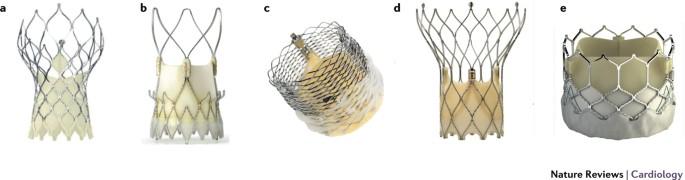
Valve deployment methods
Self-expanding valve
Balloon-expandable valve
After implantation, valve function is checked by echocardiography and precise imaging, and then the instruments are removed.
TAVI usually takes about 1 to 3 hours.
TAVI performed by Dr. Seyed Mohsen Jahromi Moghadam
Dr. Seyed Mohsen Jahromi Moghadam provides diagnosis and treatment of aortic valve disease, especially assessment and performance of TAVI/TAVR for eligible patients, using up-to-date knowledge, precise patient evaluation, and a specialized Heart Team approach.
TAVI performed at Javad Al-Aemeh Hospital in Mashhad by Dr. Seyed Mohsen Jahromi Moghadam
TAVI performed at Mehr Hospital in Mashhad by Dr. Seyed Mohsen Jahromi Moghadam
During treatment, each patient's condition is evaluated individually so the best treatment option can be selected based on disease severity, heart status, associated diseases, and treatment risk. The goal is to provide safe, precise, and effective treatment with the greatest chance of improvement and return to active life.
Care after TAVI
After TAVI, regular care plays an important role in recovery.
Most important care points
Short hospital stay for vital sign monitoring
Checking the catheter entry site
Early walking as advised by the physician
Taking antiplatelet medications or other prescribed drugs
Following a healthy low-salt diet
Regular follow-up with the cardiologist
Periodic echocardiography
Most patients experience improvement in symptoms such as shortness of breath and weakness within a short time after TAVI.
Frequently asked questions about the aortic valve and TAVI
1. What are the symptoms of aortic stenosis?
Common symptoms include shortness of breath, chest pain, dizziness, fainting, fatigue, and reduced exercise capacity.
2. Can aortic valve disease be asymptomatic?
Yes. In many patients, the disease remains silent for a long time and is diagnosed during examination or echocardiography.
3. Does every patient with aortic stenosis need surgery?
No. Treatment depends on disease severity, symptoms, and patient condition. Some patients only need follow-up, while others need intervention.
4. Is TAVI better than open-heart surgery?
No single method is best for all patients. The choice between TAVI and surgical aortic valve replacement must be based on careful medical evaluation.
5. Is TAVI only for older adults?
TAVI is most commonly used in older and high-risk patients, but the final decision depends on each patient's condition.
6. Is TAVI performed for aortic regurgitation?
The main current indication for TAVI is severe aortic stenosis. In pure aortic regurgitation, decisions must be individualized and highly specialized.
7. Does TAVI require general anesthesia?
In many cases, TAVI can be performed with local anesthesia and sedation, but some patients require general anesthesia.
8. How long is hospitalization after TAVI?
Usually 2 to 5 days, although it may be shorter or longer depending on the patient's condition.
9. How long does a TAVI valve last?
TAVI valves usually have good durability and in many cases their lifespan is comparable to surgical biological valves.
10. Are blood thinners needed after TAVI?
Depending on the patient's condition, antiplatelet medications or other specific drugs may be prescribed. Type and duration must be determined only by the physician.
11. Can patients return to normal life after TAVI?
Yes. Many patients can resume daily activities within a short time and experience better quality of life.
12. Does TAVI leave a large scar?
No. The procedure is usually performed through a small groin incision, so scarring is much more limited than with open surgery.
When should you see a cardiologist?
You should see a cardiologist if any of the following are present:
New or worsening shortness of breath
Chest pain
Reduced exercise tolerance
Dizziness or fainting
Heart murmur on examination
History of heart valve disease
History of bicuspid aortic valve
Family history of certain heart or aortic diseases
Early diagnosis can prevent disease progression and dangerous complications.

Summary
The aortic valve is one of the heart's most vital valves, and any dysfunction can affect the health of the heart and the whole body. Aortic stenosis and aortic regurgitation are among the most important diseases of this valve and may cause serious complications if untreated.
Today, in addition to open-heart surgery, advanced minimally invasive methods such as TAVI or TAVR allow effective treatment for many patients. This method is especially valuable for high-risk and older patients because it offers faster recovery and less invasiveness.
Dr. Seyed Mohsen Jahromi Moghadam supports patients through diagnosis and treatment of aortic valve disease with experience, careful evaluation, and a specialized approach so the best treatment decision can be made for each person.
Consultation and appointments
For specialist consultation, symptom assessment, aortic valve disease evaluation, and information about the possibility of TAVI/TAVR, you can contact Dr. Seyed Mohsen Jahromi Moghadam's office.
Phone numbers:
05132042
09003204200