


Hi there! How can we help you today?
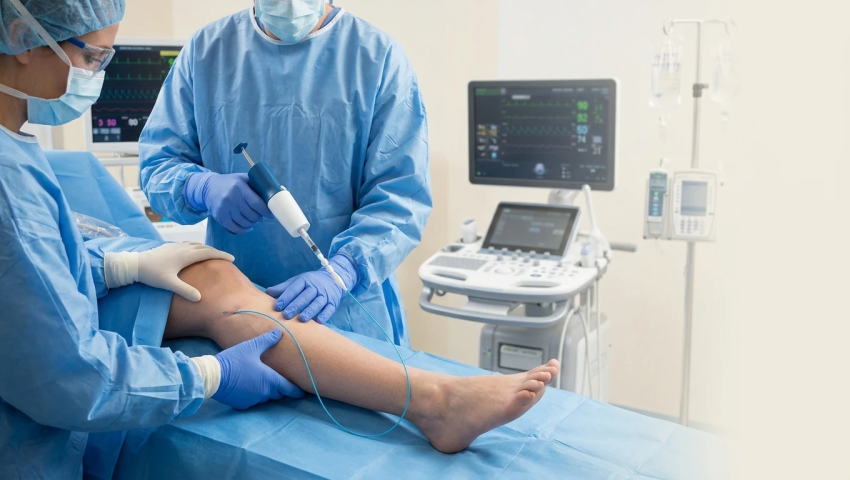
Pre-Treatment Care for Varicose Vein Treatment with VenaBlock
What should I pay attention to before VenaBlock (“vein glue”) treatment?
Pre-Treatment Care for Varicose Vein Treatment with VenaBlock — Dr. Seyed Mohsen Jahromi Moghadam
Short overview: What should I pay attention to before VenaBlock (“vein glue”) treatment?
1. Introduction: Understanding varicose veins and advanced VenaBlock therapy
Leg varicose veins are a common vascular problem that go beyond cosmetic concerns and may cause pain, heaviness, fatigue, swelling, and in advanced cases chronic venous ulcers. The condition is mainly due to venous valve dysfunction, which leads to blood reflux and pooling in the veins.
In recent years, major advances in varicose vein treatment have replaced traditional surgery with minimally invasive techniques. One of the newest and most effective options is VenaBlock, also known as “vein glue” or a vein-closure system. This approach treats varicose veins without heat or general anesthesia.
2. What is VenaBlock and how is it performed?
VenaBlock is an outpatient, minimally invasive method for treating incompetent veins (usually the great or small saphenous vein). Unlike EVLA and other thermal techniques, it uses a medical cyanoacrylate adhesive to seal the vein.
Treatment steps:
Local anesthesia: Only the catheter entry point is anesthetized. There is no need for large-volume tumescent anesthesia along the vein (as in EVLA) or general anesthesia—one of VenaBlock’s key advantages.
Catheter placement: Under precise ultrasound guidance, the physician inserts a thin catheter through a tiny skin puncture into the incompetent vein.
Adhesive delivery: As the catheter is gradually withdrawn, VenaBlock medical adhesive is delivered along the vein. It immediately bonds the vein walls and occludes the vessel.
Vein closure: The sealed vein is gradually absorbed by the body, and blood flow continues naturally through healthy veins.
Key advantages of VenaBlock:minimal pain (usually much less than thermal methods), no hospital admission, no tumescent anesthesia along the vein, often no need for compression stockings after the procedure (depending on the physician’s advice), and a rapid return to daily activities.
3. Who is a good candidate for VenaBlock?
Ideal candidates for VenaBlock varicose vein treatment are people who:
Have medium to large superficial varicose veins.
Have moderate to severe saphenous venous insufficiency (CEAP C2 to C4).
Prefer a method with the least pain and downtime.
Are concerned about risks of thermal methods or general anesthesia.
Want to resume normal activities immediately after the procedure.
Final suitability is determined by a specialist after color Doppler venous ultrasound. At Delban Clinic in Mashhad, Dr. Jahromi Moghadam carefully evaluates candidacy using advanced equipment.
4. Why pre-treatment care matters before VenaBlock
Proper preparation before any medical procedure, including VenaBlock, is essential for treatment effectiveness and minimizing possible side effects. These steps help ensure the best procedural conditions and also support smoother recovery afterward. By following instructions carefully, you play an active role in achieving the best result.
5. What to do 7 days before VenaBlock
The week before treatment is important for medication review and general health assessment.
5.1. Medication review and adjustment (most important)
Because VenaBlock is non-thermal and does not require extensive tumescent anesthesia, medication restrictions are usually fewer than with EVLA. Still, consultation with Dr. Jahromi Moghadam’s care team is essential:
Anticoagulants (blood thinners):
Aspirin, Plavix (clopidogrel), warfarin (Coumadin), and NOACs (such as rivaroxaban, apixaban, etc.): In many cases these do not need to be stopped before VenaBlock. However, your physician makes the final decision based on your clinical status and risk factors. Please provide a complete medication list.
Important: Never stop any medicine without consulting your treating physician. Our team at Delban Clinic will guide you fully on this.
5.2. Inform us about underlying conditions
If you have any of the following, inform Dr. Jahromi Moghadam at least 7 days before your visit:
Heart disease: especially if you have an artificial valve or pacemaker.
Uncontrolled diabetes: good blood-glucose control before treatment helps recovery.
Hypertension (high blood pressure): blood pressure should be acceptably controlled.
Allergy history: especially to adhesives or chemical materials.
6. What to do 24–48 hours before VenaBlock
These steps mainly relate to hygiene and easier access to the treatment area.
6.1. Shaving the treatment area
The target area (usually the legs) should be shaved, preferably with a clean razor or electric trimmer.
Avoid waxing or depilatory creams within 48 hours before treatment, as they may irritate or inflame the skin.
6.2. Shower the night before
Shower with a mild soap the night before so the skin is clean.
Do not apply lotions, oils, or fragrances to the skin on the day of the procedure.
6.3. Suitable clothing
Wear loose, comfortable clothes.
Compression stockings are often not required after VenaBlock, but may be advised in some cases. If prescribed, please prepare them in advance.
7. Nutrition and fluids before VenaBlock
Keep your diet light the day before and on the day of the procedure.
Light meals: Choose light, fiber-containing meals to help prevent constipation.
Hydration: Drink plenty of fluids (water, natural juices) in the 24 hours before the procedure. Good hydration supports blood quality and treatment conditions.
Fasting: Because VenaBlock is usually done with local anesthesia only at the entry point and does not require heavy sedation or general anesthesia, strict fasting is usually unnecessary. Still, eat a light meal and avoid overeating the night before. Confirm exact instructions at your final consultation.
8. Important points on treatment day
Treatment day is a step toward healthier legs and better venous function.
Essential medicines: If your physician allows a specific medicine (such as blood-pressure tablets), take it with a small amount of water.
Companion: A companion is usually not required, because the method typically has no sedation effects that prevent driving. Still, bring someone if you feel more comfortable.
Stay calm: Dr. Jahromi Moghadam’s team at Delban Clinic in Mashhad is trained to provide a calm, supportive environment.
After the procedure: You can usually walk immediately and resume light daily activities.
9. Frequently asked questions about VenaBlock
9.1. Is VenaBlock painful?
No. Only local anesthesia at the catheter entry site is used. Patients usually feel no pain during adhesive delivery. This is one of VenaBlock’s major advantages over thermal methods.
9.2. How soon can I walk?
You can usually walk right after the procedure and resume light daily activities immediately—absolute bed rest is not required.
9.3. Will there be a scar?
No. The procedure uses a very small puncture (needle-sized) with no surgical incision. Mild bruising at the entry site may occur and usually resolves within a few days.
9.4. Do I need compression stockings afterward?
In many cases, stockings are not needed after VenaBlock—a significant benefit for many patients. Your physician may still advise them based on your individual condition and treated vein size.
9.5. Is this method suitable for all types of varicose veins?
VenaBlock is best for major saphenous veins. For smaller spider veins or very superficial veins, sclerotherapy or foam may be recommended alongside VenaBlock. Dr. Jahromi Moghadam’s evaluation determines the best plan for you.
10. Summary and final advice
Pre-treatment care for VenaBlock includes careful medication management, hygiene, and physical preparation. By following these instructions, you actively support a successful outcome and healthier veins.
Dr. Jahromi Moghadam and his specialty team at Delban Clinic in Mashhad are committed to delivering high-quality varicose vein care with advanced methods, including VenaBlock. After the procedure, a structured follow-up plan helps confirm complete vein closure and your satisfaction.
To book a consultation and start your path to healthier legs, contact us today.
051-32042 — 0900-320-4200
Leave a comment
Your email address will not be published. Required fields are marked *