


Hi there! How can we help you today?

Echocardiography
Detailed assessment of heart structure and function
Echocardiography 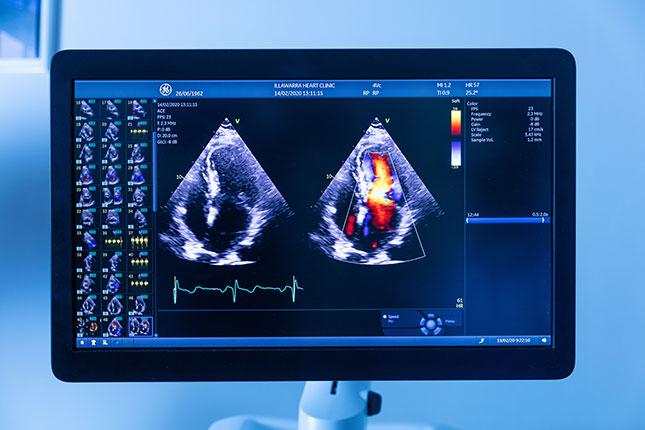
Detailed assessment of heart structure and function with expert interpretation by Dr. Jahromi-Moghadam
Echocardiography (Echo), or cardiac ultrasound, is one of the most important and accurate methods for evaluating the heart. It is performed noninvasively, painlessly, and without radiation. Echo uses ultrasound waves to create live images of the heart and helps the physician examine heart pumping function, valves, heart chambers, intracardiac pressures, and many cardiac disorders in detail.
At Delban Advanced Cardiovascular Clinic, echocardiography is provided with precise, standard equipment and expert interpretation by Dr. Jahromi-Moghadam, so diagnoses are made with the highest accuracy and the patient's treatment or follow-up pathway is planned correctly.
What is echocardiography and what information does it provide?
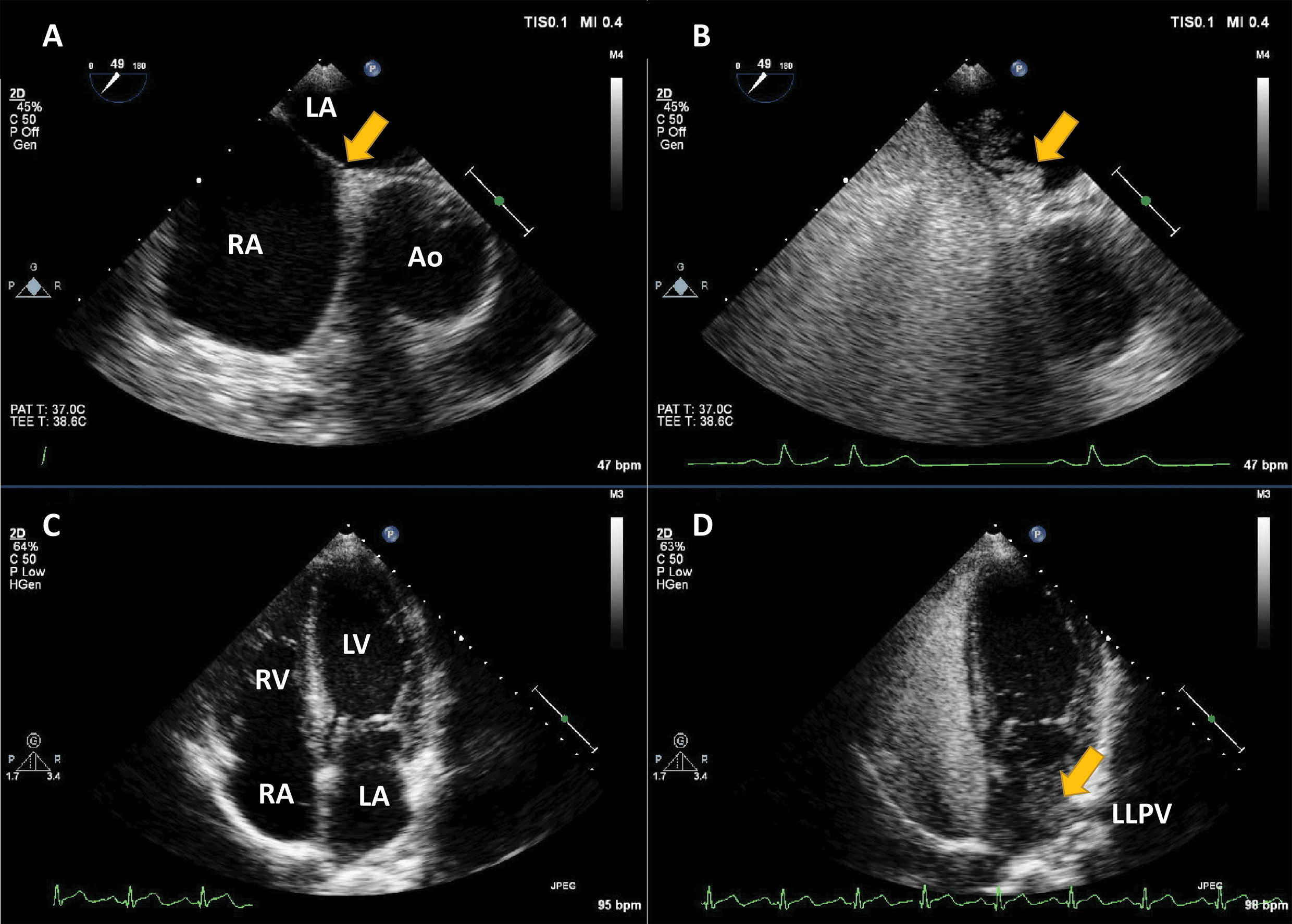
Cardiac echo acts like a "window into the heart." With echocardiography, the physician can accurately assess the following:
- Heart pumping strength (EF, or ejection fraction) and left and right ventricular function
- Size of the heart chambers and detection of atrial/ventricular enlargement
- Thickness of the heart walls (for example in hypertension or cardiomyopathies)
- Heart valve function (stenosis or regurgitation of the mitral, aortic, tricuspid, and pulmonary valves)
- Heart wall motion (detection of hypokinesia/akinesia and possible ischemia or myocardial infarction)
- Pulmonary artery pressure (PAP) and assessment of pulmonary hypertension
- Fluid around the heart (pericardial effusion)
- Intracardiac clots, masses, or congenital abnormalities in selected cases
Important note: Echo is often the "foundation for treatment decisions" in many cardiac patients, from medication adjustment to determining the need for further testing.
Which diseases can echocardiography help diagnose?
Cardiac echo plays a key role in diagnosing and monitoring many conditions, including:
- Heart failure and determining its severity
- Valvular heart disease (valve regurgitation/stenosis and grading its severity)
- Coronary artery disease (through wall motion abnormalities, especially in stress echocardiography)
- Cardiomyopathies (dilated, hypertrophic, restrictive, and others)
- Hypertension and its effects on the heart
- Pulmonary hypertension and its possible causes
- Congenital heart disease (especially in children and selected adults)
- Assessment before and after certain cardiac procedures/surgeries
- Evaluation of shortness of breath, leg swelling, chest pain, or palpitations alongside physical examination and ECG
When is a cardiac echo needed?
Your physician may recommend echocardiography in the following situations:
- Shortness of breath during activity or when lying down
- Chest pain or a history of myocardial infarction/ischemia
- Leg swelling, severe fatigue, or reduced exercise tolerance
- Abnormal heart sound (murmur) on examination
- High blood pressure (to assess its effects on the heart)
- History of valvular disease or rheumatic heart disease
- Palpitations or arrhythmias (to assess structural causes)
- Periodic follow-up of cardiac patients as advised by the physician
Types of echocardiography (when needed)
Depending on the patient's condition, one of the following types may be requested:
- Transthoracic echocardiography (TTE): Standard echo performed through the chest wall (the most common type)
- Doppler echo: Used to assess the direction and speed of blood flow and the severity of valve regurgitation/stenosis
- Color Doppler echo: Displays leaks or narrowed flows in color for more accurate assessment
- Stress echo: Used in some patients to evaluate ischemia, as determined by the physician
How is echocardiography performed? Is any preparation needed?
A routine echo (TTE) usually takes 10 to 20 minutes:
- The patient lies on the examination bed, usually on the left side.
- A special gel is applied to the chest.
- The echo probe is moved over specific points, and live images of the heart are recorded.
- The result is interpreted by Dr. Jahromi-Moghadam, and based on the findings, the treatment plan or further evaluation is determined.
Preparation: Fasting is usually not required for a routine echo, unless your physician gives specific instructions.
Why choose echocardiography at Delban Clinic?
- Expert interpretation by Dr. Jahromi-Moghadam
- Accurate assessment of EF, valves, and cardiac pressures with a reliable report
- A professional and calm environment for cardiac patients
- Rapid clinical decision-making: If needed, the patient is guided toward further testing or targeted treatment.
What are the limitations of cardiac echo?
Echo is a very powerful tool, but like any test, it has limitations. For example, image quality may be reduced in some people (obesity, COPD, chest wall changes). Also, direct assessment of coronary artery narrowing usually requires other methods such as an exercise stress test, CT angiography, or coronary angiography, as determined by the physician.
Book an echocardiography appointment at Delban Clinic
If you have symptoms such as shortness of breath, chest pain, palpitations, unusual fatigue, or a history of heart disease, echocardiography can be one of the most important steps toward accurate diagnosis and proper treatment.
To book echocardiography at Delban Advanced Cardiovascular Clinic and have your echo performed with expert interpretation by Dr. Jahromi-Moghadam, please contact the clinic or use the appointment system.05132042-09003204200