


Hi there! How can we help you today?

Mitral Valve Stenosis Treatment With Balloon (PTMC)
Mitral balloon valvuloplasty
What is mitral balloon valvuloplasty?
Mitral balloon valvuloplasty, also known as mitral valvuloplasty or PTMC (Percutaneous Transvenous Mitral Commissurotomy), is a minimally invasive and effective treatment for mitral valve stenosis.
In this method, without open-heart surgery, a special balloon is used to open the fused mitral valve commissures and increase the effective valve area.
This method provides excellent results especially in patients whose mitral stenosis is caused by rheumatic fever.
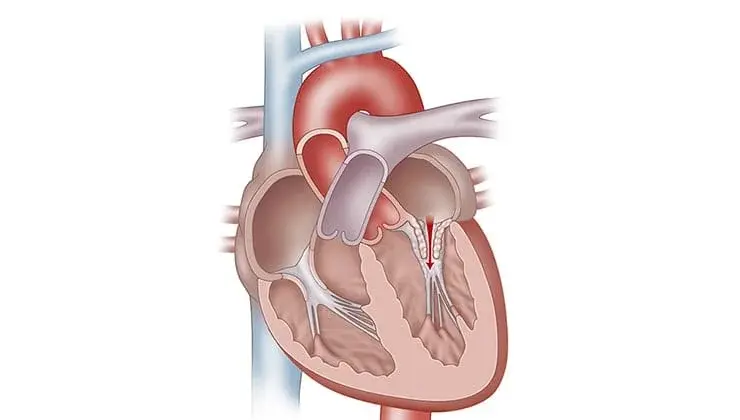
Mechanism of mitral valve narrowing
The mitral valve has two leaflets, anterior and posterior.
Because of diseases such as acute rheumatic fever, the edges of these leaflets may gradually:
- Fuse together
- Become thick and stiff
- Lose their normal motion
This process causes reduction in mitral valve area and impaired blood flow from the left atrium to the left ventricle.
Symptoms of mitral valve stenosis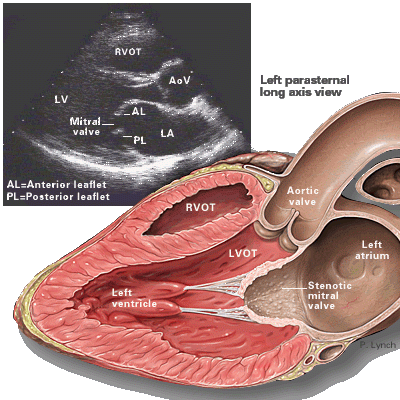
The most common and important symptom of mitral stenosis is:
- Shortness of breath, especially during activity or while lying down
Other symptoms may include:
- Early fatigue
- Palpitations
- Cough or bloody sputum
- Leg swelling
- Episodes of atrial fibrillation
If medical treatment does not provide an adequate response, interventional treatment such as mitral balloon valvuloplasty or open-heart surgery is considered.
Choosing treatment: balloon or open surgery?
Whether the patient is a candidate for mitral balloon valvuloplasty or needs open-heart surgery and valve replacement depends on:
- Anatomic condition of the mitral valve
- Severity of calcium deposition
- Presence or absence of mitral regurgitation
- The patient's clinical condition
- The cardiologist's opinion
The final decision should be made by an experienced physician such as Dr. Seyed Mohsen Jahromi Moghadam based on a careful echocardiographic assessment.
Which patients are good candidates for mitral balloon valvuloplasty?
The most important criterion for selecting patients for mitral balloon valvuloplasty is the echocardiographic findings.
Favorable features for balloon treatment:
- Mitral stenosis without significant calcium deposition
- Good leaflet mobility
- Healthy subvalvular apparatus and chordae
- No moderate to severe mitral regurgitation
What is the Wilkins Score?
The following echocardiographic features are scored as the Wilkins Score from 4 to 16:
- Degree of calcium deposition
- Valve thickness
- Leaflet mobility
- Status of the subvalvular apparatus
Score interpretation:
- Less than 8: best candidate for mitral balloon valvuloplasty
- 8 to 10: suitable candidate
- More than 10: requires more careful evaluation
- 12 or higher: often requires valve replacement surgery
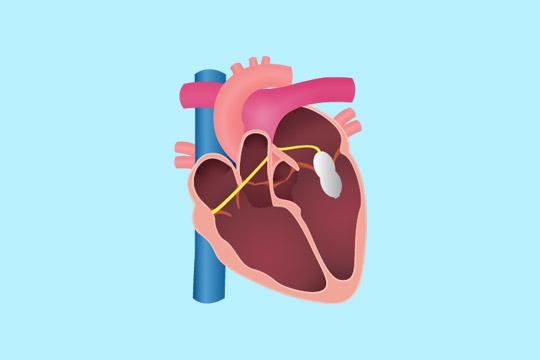
Which patients are not suitable for mitral balloon valvuloplasty?
Mitral balloon valvuloplasty is not recommended in the following conditions:
- The mitral valve is severely calcified or rigid
- Severe valve thickening
- Severe involvement of chordae and subvalvular structures
- Moderate to severe mitral regurgitation
Other contraindications:
- Blood clot in the left atrium or left atrial appendage
- Moderate to severe disease of other valves, such as the aortic valve
- Severe coronary artery disease requiring simultaneous surgery
- Any condition that requires open-heart surgery
Steps before mitral balloon valvuloplasty
Transesophageal echocardiography (TEE)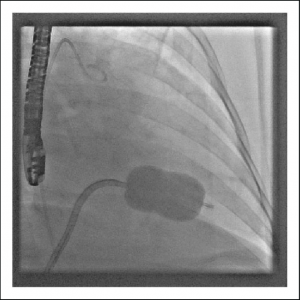
Before balloon treatment, TEE is necessary to:
- Assess the valve precisely
- Rule out blood clot
It should be performed close to the procedure date.
Angiography and cardiac catheterization
Goals include:
- Assessing the coronary arteries
- Measuring pressures inside the heart chambers
- Evaluating the severity of valve regurgitation
In some patients, coronary stenting and mitral balloon valvuloplasty can be performed during the same session; this decision is made by the specialist.
Medication adjustment before the procedure
- Warfarin: stopped a few days before the procedure (INR < 1.5)
- Rivaroxaban, apixaban, dabigatran: stopped 1 to 3 days before
- Aspirin and Plavix: usually not stopped
- Blood pressure and heart failure medications are usually continued
Stopping or continuing medications must be done only under the treating physician's guidance.
Preparation on the day of mitral balloon valvuloplasty
- Fasting for at least 4 hours
- Bathing and shaving the groin area
- Wearing comfortable clothing
- Bringing medical records
- Informing the team about any contrast allergy
How mitral balloon valvuloplasty is performed
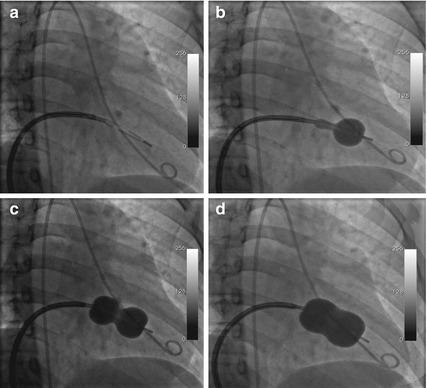
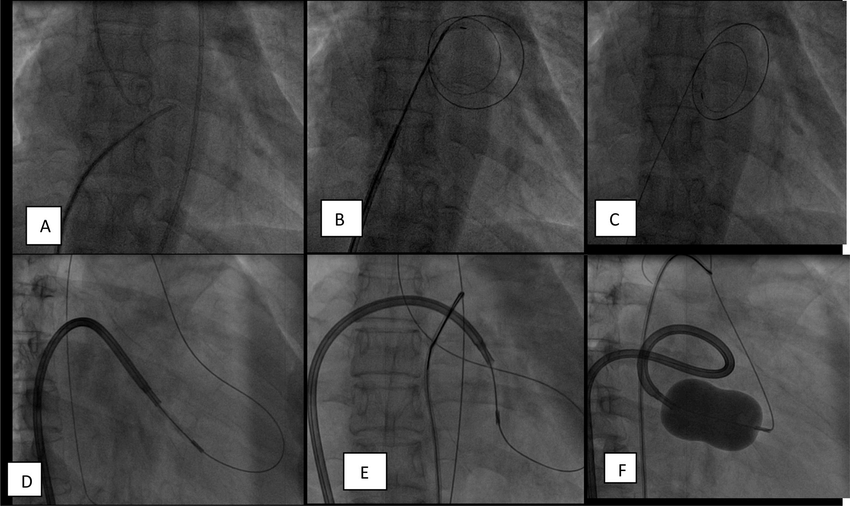
Mitral valvuloplasty is performed in the angiography unit without general anesthesia.
Steps:
- Entry through the groin vein
- Guiding the balloon to the heart
- Crossing the stenotic mitral valve
- Inflating the balloon and opening the fused commissures
An increase of more than 50% in valve area is considered a successful result.
After the procedure:
- 4 to 6 hours of absolute bed rest
- Several echocardiographic checks
- Usually 1 to 2 days of hospitalization
This procedure is performed with high precision by Dr. Seyed Mohsen Jahromi Moghadam in advanced hospitals in Mashhad.
Possible complications of mitral balloon valvuloplasty
Common complications, usually mild:
- Palpitations during the procedure
- Mild bleeding from the groin site
Important and rare complications:
Acute mitral regurgitation
- In severe cases, emergency valve replacement surgery may be required
Valve or heart wall rupture
- May cause blood accumulation around the heart
- Sometimes requires open surgery
Stroke
- Due to movement of clot or valve fragments, rarely
Follow-up and long-term results
- Mitral balloon valvuloplasty reduces symptoms but does not cure the underlying disease
- Cardiac medications, such as warfarin, should be continued when indicated
- Restenosis may occur after 5 to 10 years
- If symptoms recur, repeat evaluation with TEE is performed
Final note
Mitral balloon valvuloplasty is one of the most effective treatments for mitral stenosis in selected patients.
Correct patient selection and performance of the procedure by an experienced specialist are key to treatment success.
Mitral balloon valvuloplasty by Dr. Seyed Mohsen Jahromi Moghadam in specialized and well-equipped hospitals in Mashhad provides a high level of safety, precision, and treatment outcome for patients.