


Hi there! How can we help you today?

What Is Palpitation?
Causes, symptoms, diagnosis, and treatment of heart palpitations
What Is Palpitation?
Causes, symptoms, diagnosis, and treatment of heart palpitations
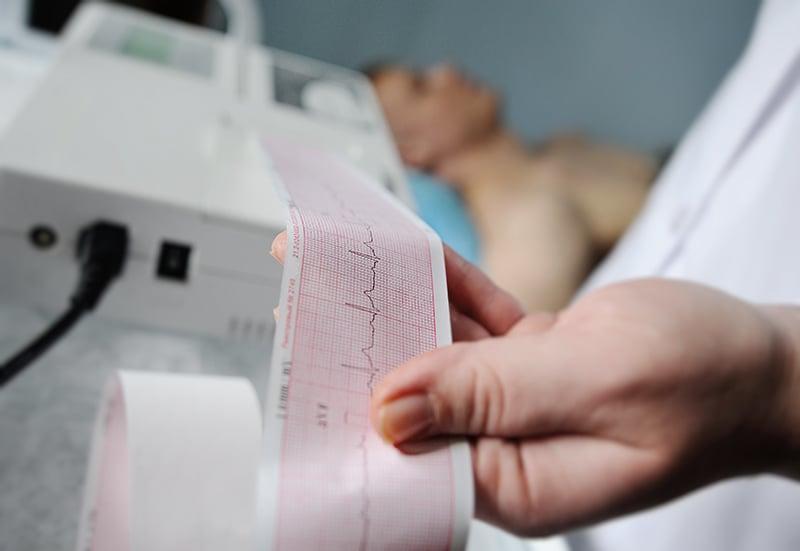
What is palpitation?
Palpitation means an awareness of an abnormal heartbeat. Normally, people do not feel their heartbeat; but when the heart beats:
- too fast
- too slow
- or irregularly
the person may feel pounding, fluttering, thumping, or skipping in the chest, neck, or throat.
Palpitations can be transient and harmless, or a sign of a serious cardiac problem, especially arrhythmias.
Causes of palpitations
Causes are generally divided into cardiac and non-cardiac:
1) Cardiac causes
Cardiac arrhythmias (most common cause)
Arrhythmias are disturbances of the normal heart rhythm and may cause palpitations, including:
- Atrial fibrillation (AF): irregular and rapid heartbeat, with increased stroke risk
- Supraventricular tachycardia (SVT): sudden attacks of palpitations that start and stop abruptly
- Ventricular tachycardia: a serious and potentially dangerous arrhythmia
- Premature atrial or ventricular contractions (PAC / PVC): often benign but bothersome
Structural heart disease
- Coronary artery disease (coronary stenosis)
- Heart failure
- Valvular heart disease
- Cardiomyopathy (heart muscle disease)
These conditions can predispose to arrhythmia and palpitations.
2) Non-cardiac causes
Medical conditions
- Hyperthyroidism
- Anemia
- Hypoglycemia
- Dehydration
- Fever and infections
Psychological factors
- Anxiety and stress
- Panic attacks
- Intense fear
Substances and medications
- Caffeine (coffee, tea, energy drinks)
- Nicotine (smoking)
- Alcohol
- Decongestants, asthma medications, some psychiatric drugs
- Illicit stimulants such as cocaine and amphetamines
Hormonal changes
- Pregnancy
- Menopause
Electrolyte imbalances
- Potassium deficiency
- Magnesium deficiency
- Sodium deficiency
Palpitations during exercise
✅ An increased heart rate during exercise is normal
⚠️ But severe, irregular palpitations, or those accompanied by dizziness or chest pain during exercise need specialist evaluation.
When are palpitations dangerous?
Seek urgent cardiology assessment if any of the following occur:
- Sudden, severe, or recurrent palpitations
- Palpitations with:
- dizziness or syncope (fainting)
- shortness of breath
- chest pain or pressure
- profuse sweating
- Family history of arrhythmia or sudden cardiac death
- Patient concern even without other symptoms
📍 In such cases, specialist evaluation at Delban Cardiology Clinic in Mashhad is recommended.
Diagnosing the cause of palpitations
Accurate diagnosis requires specialist assessment by Dr. Jahromi Moghadam in Mashhad:
- ✅ History and clinical examination
- ✅ Electrocardiogram (ECG)
- ✅ 24- to 72-hour Holter monitoring
- ✅ Event recorder
- ✅ Echocardiography
- ✅ Blood tests (thyroid, electrolytes, anemia)
- ✅ Exercise stress test
- ✅ Electrophysiology study (EPS) in selected cases
Treatment of palpitations
Treatment depends entirely on the underlying cause:
Medication
- Heart rate– or rhythm-control medications
- Treatment of underlying conditions such as thyroid disease or anemia
Specialized therapies
- Catheter ablation for selected arrhythmias
- Electrical cardioversion
- Pacemaker or ICD in selected cases
✅ The best treatment is chosen after precise diagnosis by Dr. Jahromi Moghadam.
Palpitation treatment in Mashhad
📍 Accurate diagnosis: Delban Specialty Cardiology Clinic – Mashhad
👨⚕️ Treatment and follow-up: Dr. Seyed Mohsen Jahromi Moghadam
✅ Modern diagnostic methods
✅ Extensive experience in evaluating arrhythmias and unexplained palpitations
Summary
Palpitation is a common but important symptom that may range from a benign sensation to a warning sign of serious heart disease. Correct diagnosis is the key to successful treatment and prevention of dangerous complications.
📞 If you have palpitations, specialist evaluation at Delban Cardiology Clinic in Mashhad with Dr. Jahromi Moghadam is recommended. 05132042 - 09003204200