


Hi there! How can we help you today?

Angiography
A complete guide to coronary angiography, procedure steps, care, and possible complications
What is coronary angiography?
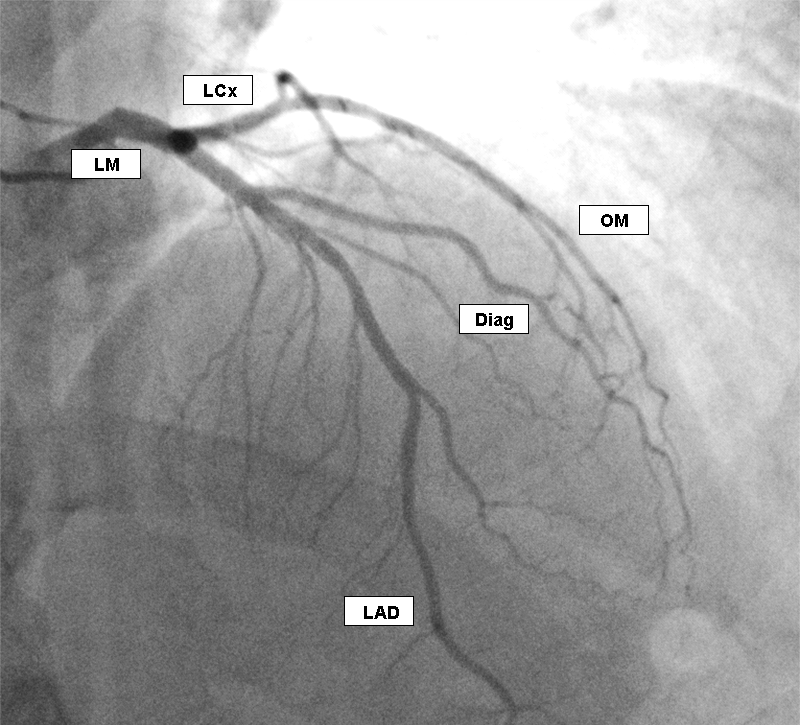
Coronary angiography is one of the most accurate and important diagnostic methods in cardiovascular medicine. It is performed to evaluate the coronary arteries of the heart and identify narrowing or blockage in them.
In this procedure, X-rays are used together with a contrast agent. Because blood vessels cannot be seen on ordinary X-ray imaging, injection of contrast makes the pathway of blood flow clearly visible and allows the physician to diagnose any problem in the heart vessels.
When is coronary angiography prescribed?
A cardiologist may recommend angiography in the following situations:
Symptoms of coronary artery blockage or narrowing
Abnormal exercise test or stress test results
New, severe, or unusual chest pain
History of heart attack, stroke, or heart failure
Evaluation of the cause of shortness of breath or unclear cardiac pain
Assessment of the vessels before heart surgery
Evaluation of previous treatments such as angioplasty
According to the Centers for Disease Control and Prevention (CDC), heart disease is one of the leading causes of death worldwide, and early diagnosis with methods such as angiography can significantly reduce the risk of serious complications and death.
What is the difference between angiography and angioplasty?
Many patients confuse these two procedures, although there is an important difference between them:
Angiography: a diagnostic procedure used to view and evaluate blood vessels.
Angioplasty: a treatment procedure used to open narrowed or blocked vessels with a balloon and sometimes a stent.
In many cases, if a significant blockage is seen during angiography, angioplasty can be performed in the same session.
Why is angiography used?
Angiography is used to assess the health of blood vessels and blood flow within them, and helps diagnose the following problems:
Atherosclerosis (hardening and narrowing of the arteries)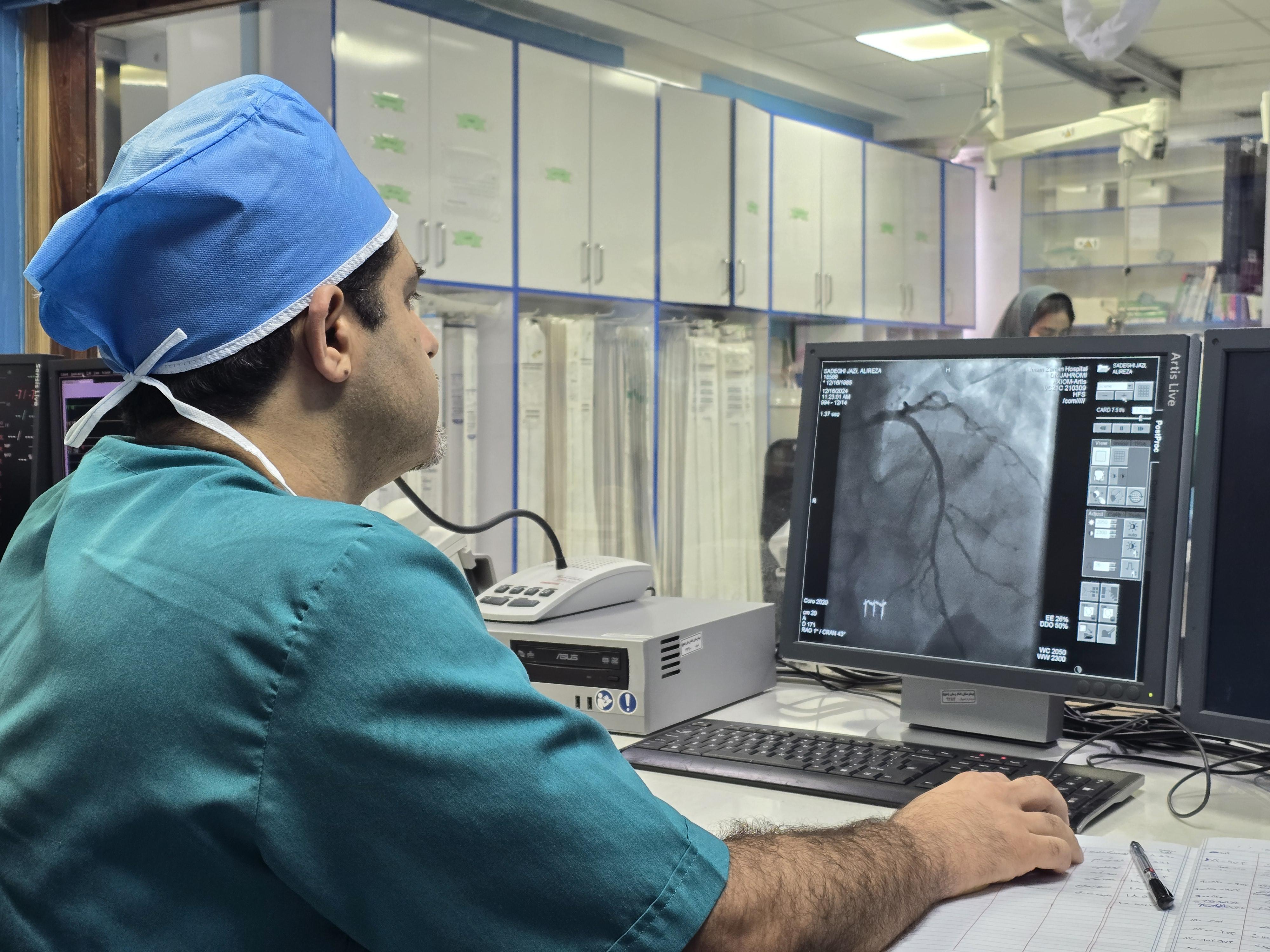
Angina pectoris (chest pain caused by reduced blood supply to the heart)
Heart failure or arterial insufficiency
Reduced blood supply to the limbs
Blockage or narrowing of the coronary arteries
Essential preparations before coronary angiography
To perform angiography safely and accurately, the following points are essential:
Inform your physician of the complete list of medications you take
Medications such as warfarin should be adjusted or stopped only with your physician's advice
Shower the day before angiography and shave the required area
Be sure to ask your physician about fasting
Drink enough fluids the day before
Do not eat heavy food or drink alcohol the night before angiography
Inform your physician if you are allergic to contrast agents or have a history of kidney disease
Report any history of allergy or underlying disease
Bring your medical documents, such as ECG, echocardiography, exercise test, and blood test results
How is coronary angiography performed?
Angiography is performed in the hospital catheterization laboratory (Cath Lab), and the steps are as follows:
The patient is usually awake and receives a sedative if needed
The catheter entry site, wrist or groin, is prepared with local anesthesia
A thin catheter is inserted into an artery and guided toward the heart vessels
Contrast is injected and X-ray images are recorded
The contrast agent is later excreted through the kidneys
The angiography procedure usually takes 30 minutes to 2 hours, and the patient is often discharged a few hours later.
Does coronary angiography require anesthesia?
In most cases, angiography does not require general anesthesia and the patient remains awake.
General anesthesia is used only in special cases, such as children or very anxious patients.
How many days of hospitalization are needed after angiography?
The patient is usually discharged on the same day
In some cases, one overnight stay is required
After angiography, several hours of rest and immobility are necessary.
Care after coronary angiography
The most important care instructions are:
Do not stop medications under any circumstances
Follow a low-salt, low-fat diet
Drink fluids regularly to help eliminate the contrast agent
Avoid strenuous activity and exercise
Start light walking and increase it gradually
Completely stop smoking and tobacco use
Avoid driving for 2 to 3 days
Care of the angiography access site:
Angiography through the hand: avoid pressure for up to one week
Angiography through the leg: avoid pressure, stairs, and heavy objects for up to one week
Possible complications of coronary angiography
Angiography is a safe procedure, but rare complications may occur:
Mild complications:
Bruising or mild bleeding
Pain at the catheter entry site
Mild allergic reaction to contrast agent
Rare but serious complications:
Temporary kidney injury
Vascular injury
Heart attack, very rare
Anaphylactic shock in sensitive individuals
If symptoms such as severe pain, swelling, redness, fever, or shortness of breath occur, see a physician immediately.
Conclusion
Coronary angiography is one of the most advanced diagnostic methods in modern medicine and plays a vital role in early diagnosis of heart disease, prevention of heart attack, and selection of the best treatment method. This minimally invasive, accurate, and life-saving procedure saves the lives of many patients every year.
📍 Delban Advanced Cardiovascular Complex
📞 Contact number: 09003204200