


Hi there! How can we help you today?

Angioplasty
A complete review of angioplasty, its types, procedure, uses, and effectiveness
What is angioplasty?

What is angioplasty?
Angioplasty is a minimally invasive medical treatment used to open narrowed or blocked blood vessels. This narrowing is usually caused by the buildup of fatty plaques, cholesterol, and inflammatory materials in the vessel wall, which can reduce blood flow to vital organs, especially the heart.
Although angioplasty is most commonly performed in the coronary arteries of the heart, it is also used in vessels in other parts of the body.
What is angioplasty used for?
Angioplasty is performed to restore normal blood flow, and its main uses include:
- ✅ Treatment of narrowing or blockage of the coronary arteries
- ✅ Reduction of chest pain (angina pectoris)
- ✅ Prevention of heart attack
- ✅ Improvement of shortness of breath caused by reduced blood supply
- ✅ Increased exercise tolerance and patient quality of life
- ✅ Replacement of, or reduced need for, open-heart surgery in some patients
Which diseases are treated with angioplasty?
🔹 Coronary artery disease (CAD)
The most common use of angioplasty is the treatment of narrowing in the arteries that supply the heart.
🔹 Acute myocardial infarction
In a heart attack, emergency angioplasty can save the patient's life.
🔹 Peripheral arterial stenosis
Such as:
- Leg arteries (peripheral artery disease)
- Renal arteries
Neck arteries (carotid arteries, in selected cases)
How is the need for angioplasty diagnosed?
The need for angioplasty is diagnosed based on a combination of clinical and paraclinical findings:
1️⃣ Clinical symptoms
- Chest pain or pressure
- Shortness of breath
- Early fatigue
- Limb pain during activity
2️⃣ Diagnostic tests
- Electrocardiogram (ECG)
- Echocardiography
- Exercise stress test
- CT angiography
3️⃣ Angiography
✅ Angiography is the most accurate method for diagnosing arterial narrowing
and if significant stenosis is present, angioplasty can be performed immediately.
Types of angioplasty
🔹 1. Balloon angioplasty
In this method, a small balloon is inflated at the site of narrowing to open the vessel.
Today, it is used less often on its own.
🔹 2. Angioplasty with stent
The most common and effective form of angioplasty
▫️ What is a stent?
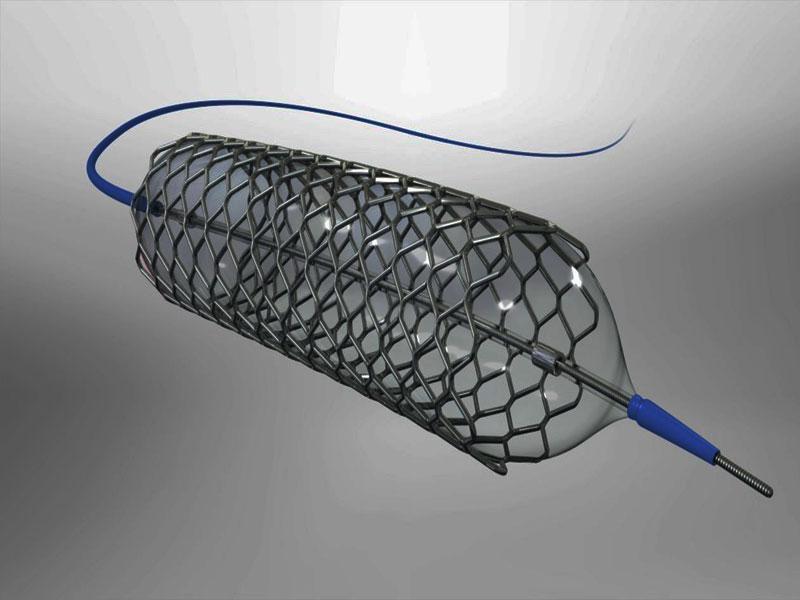
A stent is a mesh-like metal scaffold placed inside the vessel to prevent it from closing again.
▫️ Types of stents:
- Bare metal stent
- Drug-eluting stent⬅️ much lower chance of restenosis
🔹 3. Primary angioplasty in heart attack (Primary PCI)
An emergency, life-saving procedure that should be performed in the early hours of a heart attack.
How is angioplasty performed?
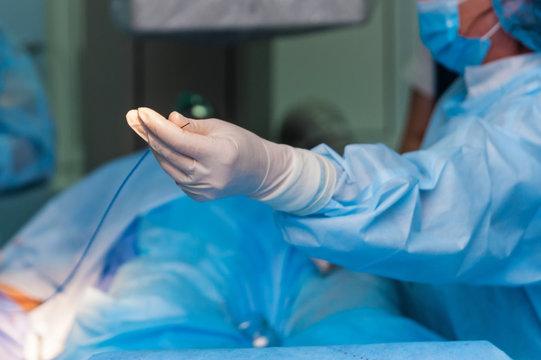
Angioplasty is a nonsurgical, minimally invasive procedure:
- A catheter is inserted through an artery in the wrist or groin
- The catheter is guided toward the narrowed vessel
- The balloon is inflated at the site of narrowing
- A stent is placed if needed
- Final blood flow is assessed
- The catheter is removed and the entry site is dressed
⏱ Duration: 30 to 90 minutes
🏥 Hospital stay: usually short-term
Effectiveness and efficacy of angioplasty
Scientific studies have shown:
- ✅ Significant reduction in chest pain
- ✅ Improved blood supply to the heart muscle
- ✅ Reduced risk of heart attack in high-risk patients
- ✅ Increased survival and quality of life in selected patients
📌 In some patients, angioplasty combined with medical therapy provides the best outcome.
Benefits of angioplasty
- ✔️ No open surgery
- ✔️ Small incision and minimal pain
- ✔️ Short recovery period
- ✔️ Quick return to daily activities
- ✔️ High safety in equipped centers
Limitations and possible complications of angioplasty
Although angioplasty is safe, like any medical procedure it may rarely have complications:
- Bleeding at the catheter entry site
- Restenosis of the vessel
- Clot formation inside the stent
- Vascular injury, rare
✅ With proper patient selection and regular medication use, these risks are minimized.
Care after angioplasty
- Take antiplatelet medications exactly as prescribed
- Control blood pressure, blood sugar, and cholesterol
- Stop smoking
- Maintain regular physical activity
- Attend regular medical follow-up
Final summary
Angioplasty is one of the most important therapeutic advances in vascular disease. Through a minimally invasive method, it restores normal blood flow to vital organs. In selected patients, this procedure can prevent heart attack and significantly improve quality of life.