


Hi there! How can we help you today?

Percutaneous Closure of Congenital ASD in the Heart
Atrial septal defect
ASD closure by intervention (without open-heart surgery)
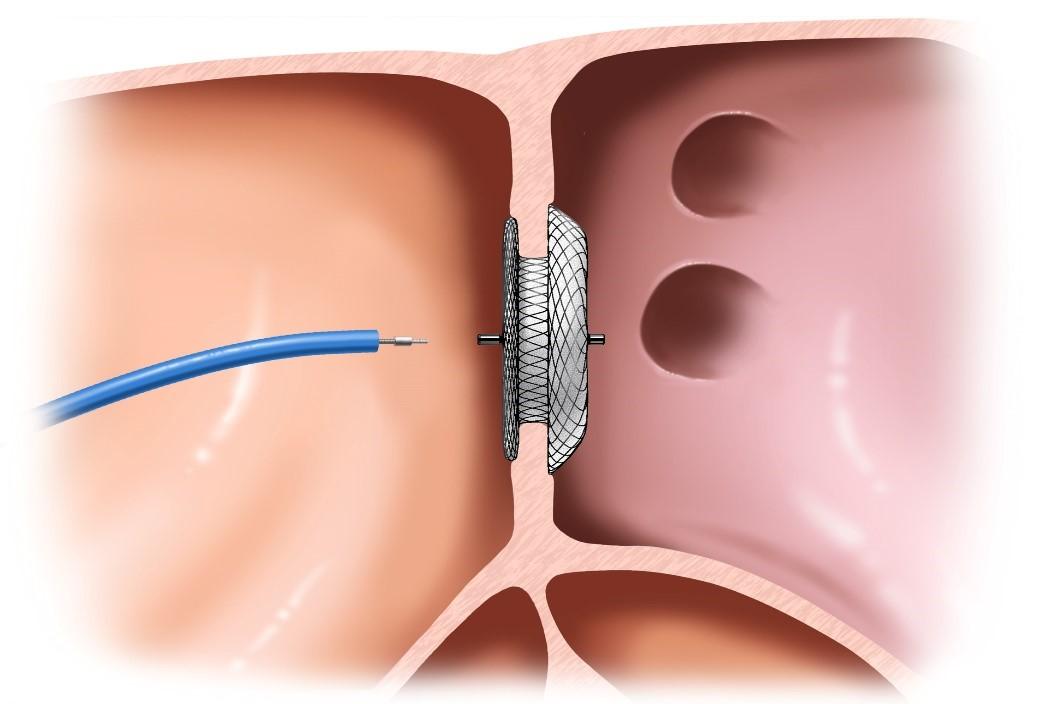
What is ASD? (Atrial septal defect)
ASD, or atrial septal defect, is a defect or opening in the wall between the right and left atria of the heart. It is one of the most common congenital heart diseases. When diagnosed in time, it can be treated with modern minimally invasive techniques.
Diagnosis and treatment of ASD are performed under the supervision of Dr. Seyed Mohsen Jahromi Moghaddam using the latest interventional methods.
Types of atrial septal defect (ASD)
ASD is classified into several types based on the location of the opening in the atrial septum:
Secundum ASD
✅ The most common type (about 80% of cases)
✅ The only type that can be treated with intervention in many cases
Primum ASD
Sinus venosus ASD
Coronary sinus ASD
❗ Non-secundum types usually require open-heart surgery.
Atrial communication during fetal life
During fetal life, a natural communication between the right and left atria is essential for fetal survival. This communication should normally close after birth.
If this opening remains:
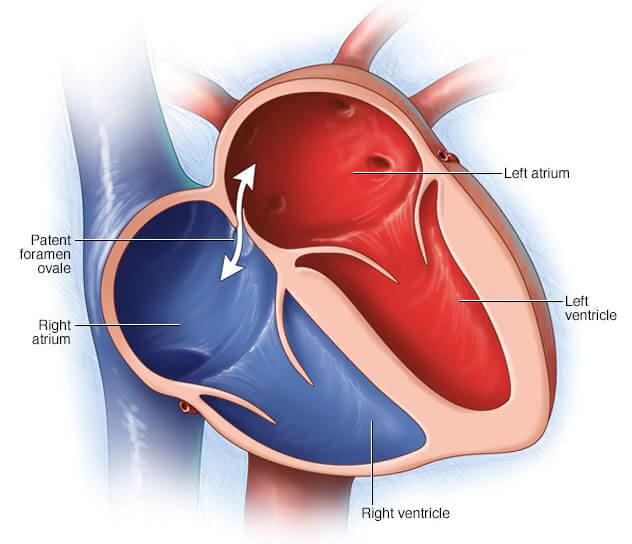
Small openings -> PFO
Larger openings -> secundum ASD
Can ASD close spontaneously?
Small openings may close spontaneously by the age of 3-4 years.
Openings larger than 7-8 mm usually require treatment, and the chance of spontaneous closure is very low.
Effects of ASD on the heart
The presence of an ASD creates a left-to-right shunt; oxygenated blood passes from the left atrium into the right atrium, which leads to:
Enlargement of the right atrium and right ventricle
Increased workload on the heart
Increased pulmonary blood flow
Common symptoms of ASD
Early fatigue
Shortness of breath
Poor weight gain in children
Recurrent respiratory infections
Arrhythmia (atrial fibrillation or atrial flutter)
Stroke (in selected cases)
Heart failure in advanced cases
Diagnosis of ASD
Accurate diagnosis of ASD is performed at Delban Advanced Cardiovascular Clinic using advanced equipment.
Diagnostic methods:
✅ Echocardiography (the main and definitive method)
Electrocardiogram (ECG)
Chest X-ray (CXR)
Transesophageal echocardiography (TEE)
Cardiac catheterization (in selected cases)
The final diagnosis and treatment decision are made by Dr. Seyed Mohsen Jahromi Moghaddam.
The best treatment for ASD
At present, ASD closure by intervention (through angiography) is the best and least invasive treatment method, provided that the anatomical and clinical criteria are met.
Advantages of intervention:
No open-heart surgery
No chest incision
Short hospitalization (usually one night)
Rapid return to normal life
Which type of ASD is suitable for intervention?
✅ Only secundum ASD, if the following conditions are present:
Adequate rims around the defect
Defect diameter up to 35 mm
Normal pulmonary pressure
No associated cardiac abnormalities requiring surgery
Preparation for interventional ASD closure
ASD closure requires short-term hospitalization and careful evaluation.
Treatment team:
Cardiologist
Interventional cardiology fellow
Echocardiography fellow
Cardiac surgeon
Anesthesiologist
Angiography nurses and technicians
Steps of ASD intervention
Access through the femoral vein (groin)
Guiding catheters to the heart under fluoroscopy
Using transesophageal echocardiography for precise guidance
Placement of an Amplatzer device (umbrella-shaped occluder)
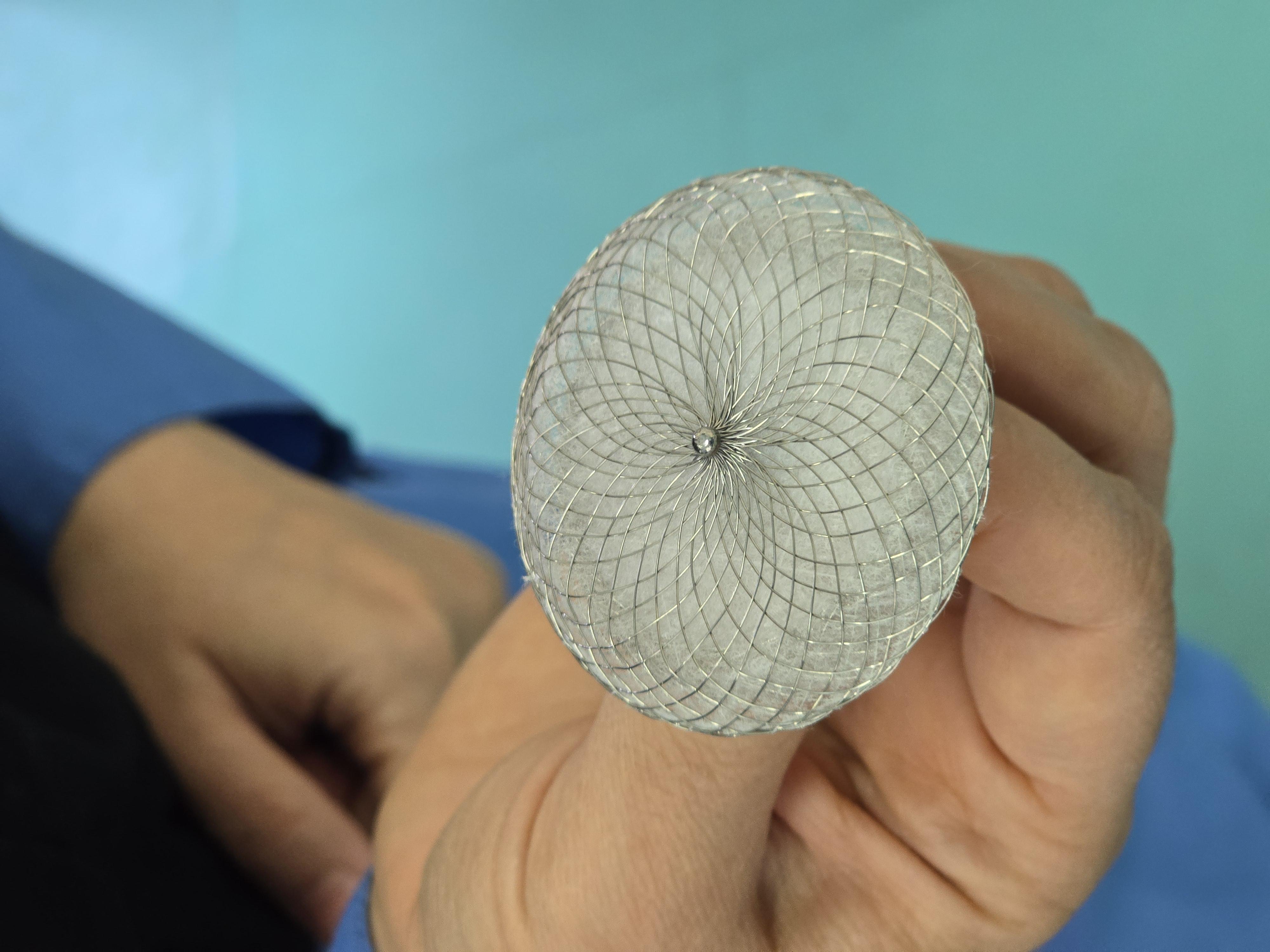
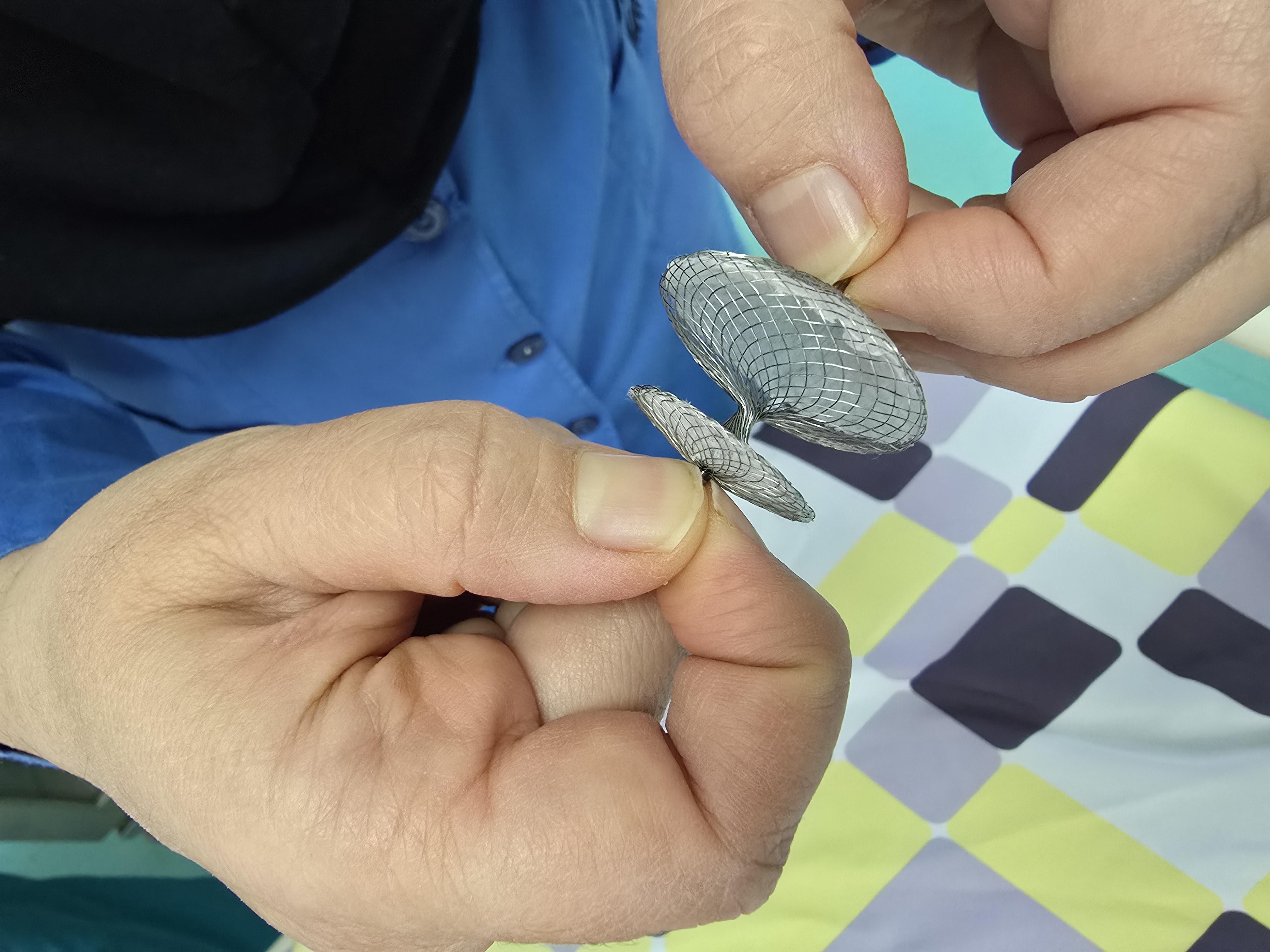
Complete closure of the opening
This device becomes part of the heart wall within 6 months.
Possible complications of ASD intervention
When performed by an experienced team, the success rate is 90% to 99%.
Rare complications:
Bleeding or groin hematoma
Arrhythmia
Reaction to sedative medications
Displacement of the Amplatzer device (very rare)
Transient stroke
Care after ASD closure
Medications:
Aspirin 80-100 mg daily (for up to 6 months)
Clopidogrel 75 mg daily (for up to 6 months)
Activity:
Normal activity from the next day
Avoid heavy exercise for one month
Pregnancy:
Pregnancy is permitted after 6 months
Consultation with a cardiologist is essential.
Dentistry:
Preventive antibiotic use for up to 6 months
Summary
ASD closure by the interventional method is the safest and most effective treatment for secundum ASD and, when diagnosed in time, can prevent serious cardiac complications.
At Delban Advanced Cardiovascular Clinic, diagnosis is performed under the supervision of Dr. Seyed Mohsen Jahromi Moghaddam, and treatment is provided in the best hospitals in Mashhad with the highest scientific standards and advanced equipment.
If you have any questions, you can contact Dr. Jahromi Moghaddam's team through the numbers below:
05132042 - 09003204200