


Hi there! How can we help you today?

Treatment of Neck Artery (Carotid) Stenosis
Carotid angioplasty and stenting
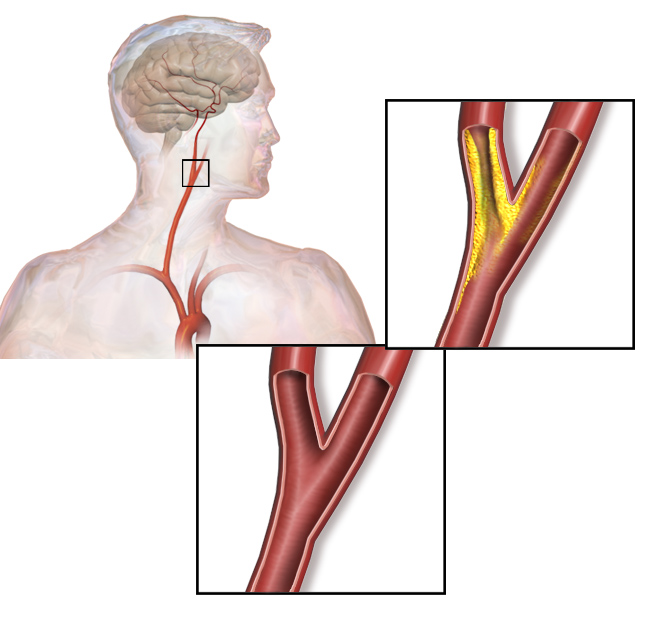
What is neck artery stenosis (carotid artery stenosis)?
Neck artery stenosis, or carotid artery stenosis, means narrowing of the inner wall of the carotid arteries on both sides of the neck. These arteries have the vital role of carrying oxygen-rich blood to the brain; therefore, any blockage or reduction in their diameter can impair brain blood flow and increase the risk of stroke.
This disease is usually caused by accumulation of fatty plaque, cholesterol, and inflammatory material in the artery wall and may remain asymptomatic for a long time. Early recognition and referral to a cardiologist or vascular specialist are very important.
Symptoms of neck artery stenosis
In early stages, the patient may have no symptoms, but in advanced disease the following warning signs may occur:
- Sudden numbness or weakness of the face, arm, or leg, usually on one side of the body
- Difficulty speaking or understanding speech
- Sudden loss of vision in one or both eyes
- Dizziness, imbalance, or sudden neurologic weakness
If such symptoms occur, urgent evaluation by a neurologist or cardiologist is necessary to help prevent stroke.
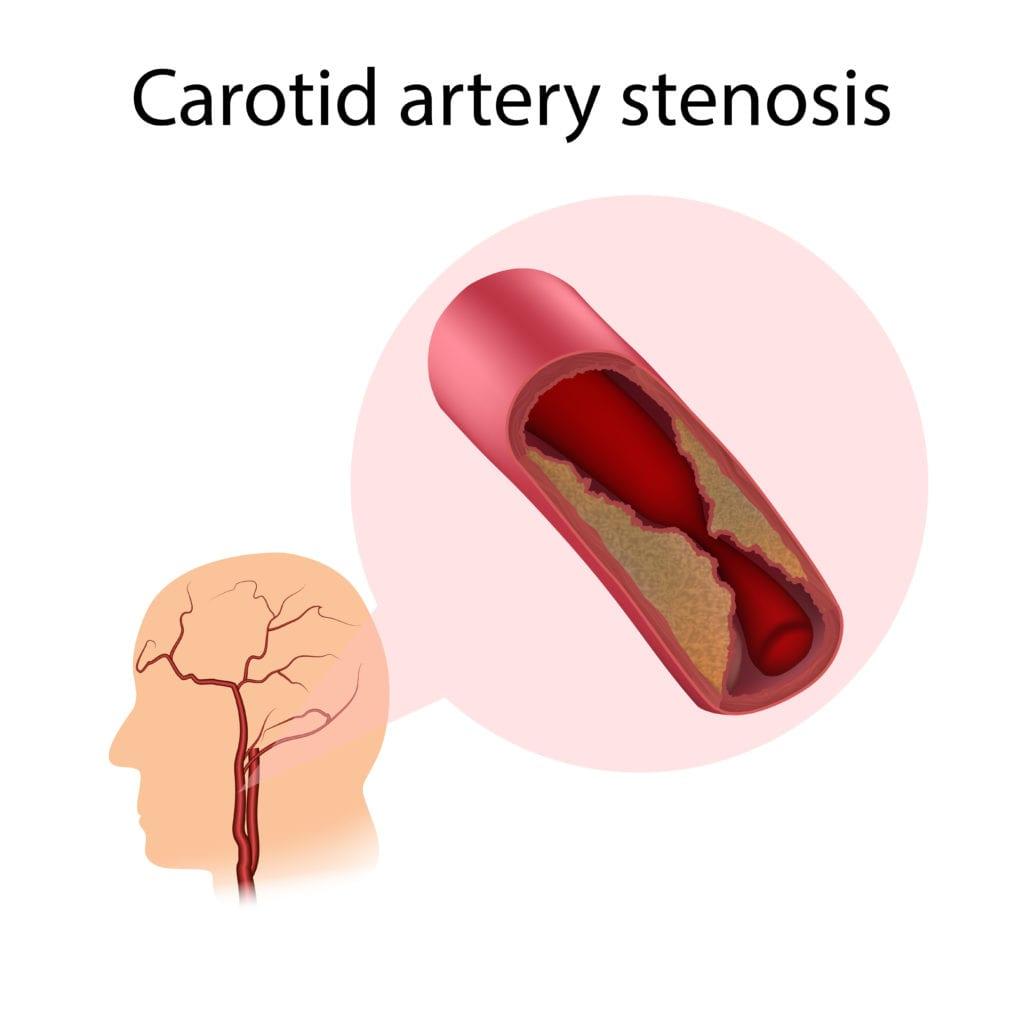
Causes and risk factors for carotid artery stenosis
Major factors that increase the risk of neck artery stenosis include:
- Older age: arteries become stiffer with aging.
- High blood pressure and diabetes: both damage the blood vessel wall.
- Smoking: one of the most serious causes of vascular damage.
- High cholesterol and blood lipids: lead to plaque formation in arteries.
- Family history of heart disease or stroke
- Obesity and physical inactivity
Diagnostic methods for neck artery stenosis
Initial diagnosis by a cardiologist starts with physical examination and review of medical history. Noninvasive imaging methods may then be used, including:
- Carotid Doppler ultrasound: to assess blood flow in the arteries
- CT angiography (CTA) and MR angiography (MRA): for detailed imaging of the narrowed area
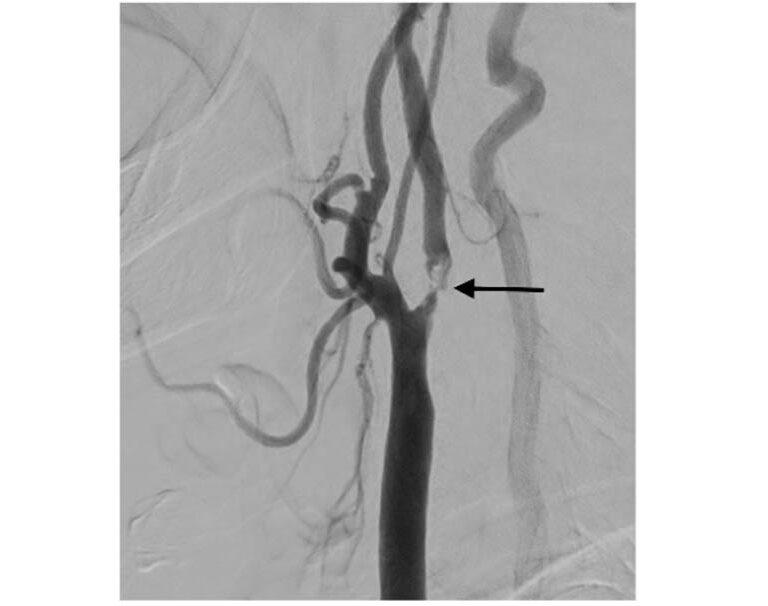
- Carotid angiography: a more specialized method using contrast injection to determine stenosis severity
These tests help determine the appropriate treatment.
Complications of neck artery stenosis and stroke risk
Severe carotid artery stenosis can cause reduced blood flow to the brain and lead to stroke, physical disability, or cognitive impairment.
Chronic reduction in brain blood supply may impair memory, concentration, and mental performance.
For this reason, early treatment and regular follow-up under the care of an experienced subspecialist are very important.
Treatment of carotid artery stenosis in Mashhad by Dr. Seyed Mohsen Jahromi Moghadam
Treatment depends on disease severity and usually includes three stages:
1. Medication and lifestyle modification
For mild cases, risk factors are controlled with medication and lifestyle changes:
- Lowering blood pressure and cholesterol
- Complete smoking cessation
- Low-fat diet and regular physical activity
- Antiplatelet medications such as aspirin as prescribed
2. Carotid angioplasty and stenting
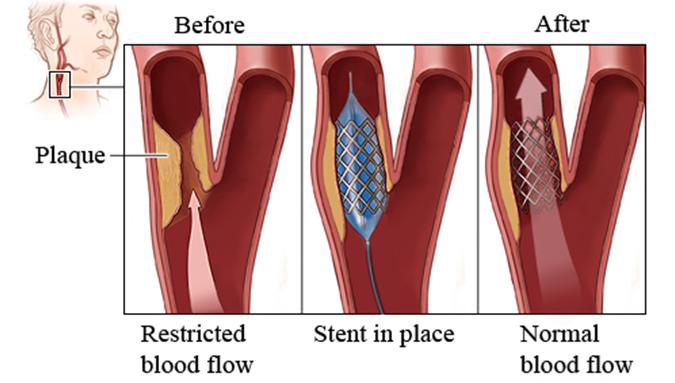
In more severe cases or when stroke risk is high, the best treatment option may be carotid angioplasty and stenting by Dr. Seyed Mohsen Jahromi Moghadam.
In this minimally invasive method, a thin tube called a catheter is guided from the groin artery toward the carotid artery. A small balloon is inflated to open the narrowed segment, and then a metal stent is placed to keep the artery open.
This procedure is performed with a high success rate in advanced specialty hospitals in Mashhad and has the following benefits:
Shorter recovery time
No need for open surgery
Lower risk related to general anesthesia
Performed under advanced imaging control by a subspecialty team
3. Carotid endarterectomy
In selected cases, open surgery is performed to remove plaques from inside the artery, usually when the patient's condition is suitable.
When do you need angioplasty or stenting?
If your stenosis is more than 70% or you have a history of stroke or transient ischemic attack (TIA), carotid angioplasty may be a safe and effective option to prevent future strokes.
It is recommended that the procedure be performed by highly experienced cardiovascular specialists such as Dr. Seyed Mohsen Jahromi Moghadam in advanced medical centers in Mashhad to achieve the best result.
Prevention of neck artery stenosis: key recommendations
Prevention depends on daily care and a healthy lifestyle:
- Maintaining a healthy weight and exercising regularly
- A low-fat diet rich in vegetables, whole grains, and fresh fruit
- Control of blood pressure and blood glucose
- Complete smoking cessation and reducing alcohol consumption
- Stress management with meditation or yoga
- Adequate and regular sleep
Healthy living with neck artery stenosis
Even after diagnosis of neck artery stenosis, a healthy and normal life is possible if you remain under specialist care.
- Taking medications exactly as prescribed by Dr. Seyed Mohsen Jahromi Moghadam
- Regular follow-up to assess artery status
- Maintaining a healthy diet and appropriate physical activity
Awareness of stroke warning signs and rapid action in emergencies can save your life or the life of someone you love.